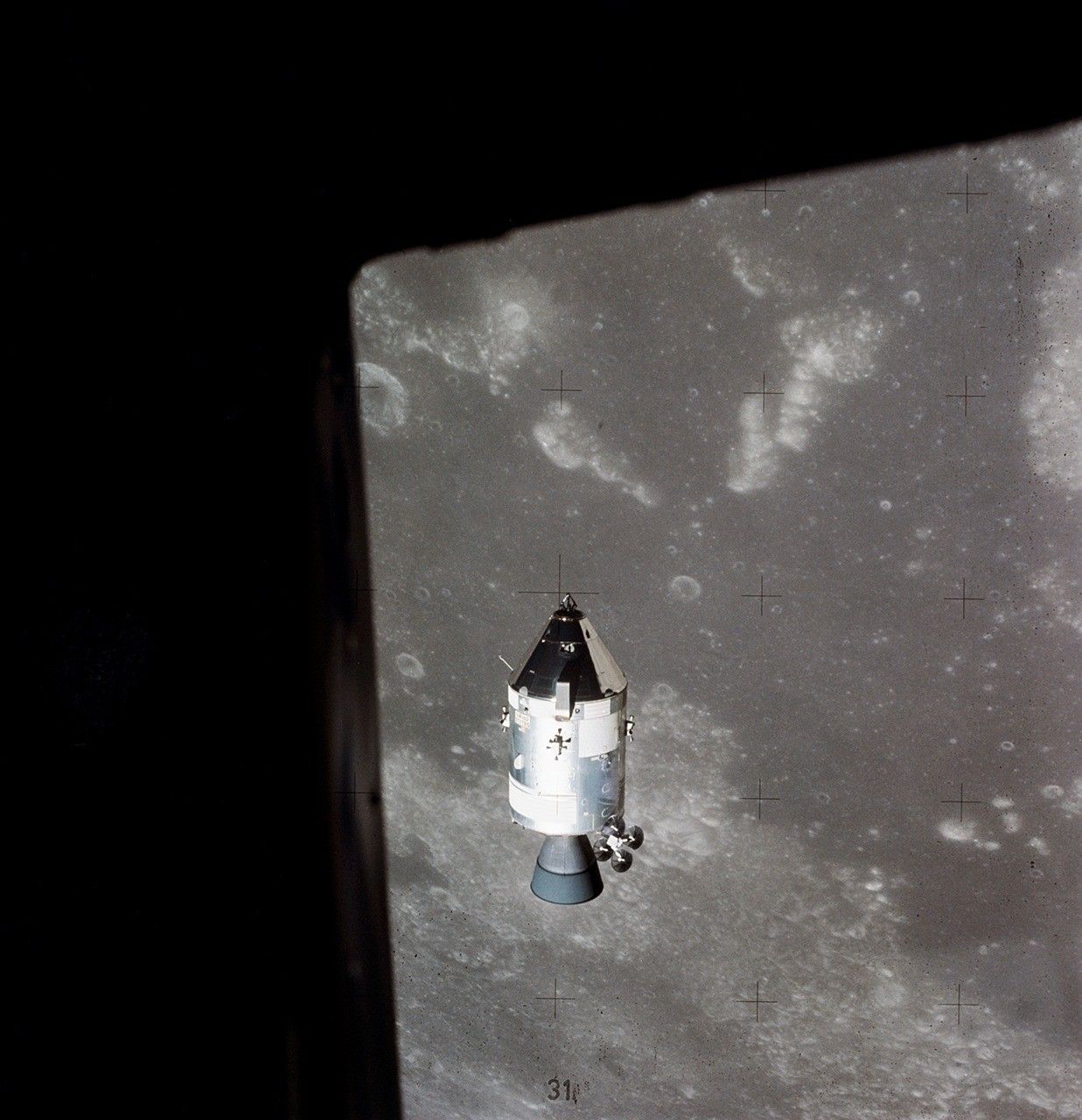
Mengzhou and Lanyue will meet at the Moon
Lunar exploration chief designer Wang Xiang described the architecture at a symposium on 31 October. Two Long March 10 rockets are intended to send the crewed Mengzhou spacecraft and the Lanyue lander separately onto Earth-Moon transfer trajectories. The vehicles would rendezvous and dock in lunar orbit; the crew would move into Lanyue for surface operations, return to Mengzhou after ascent and then travel home. China continues to target its first crewed lunar landing before 2030, but the newly detailed architecture is a development plan, not a fixed flight date.
The benefit is divided mass; the risk is in the interfaces
Two launches avoid taking the entire return spacecraft to the surface and let the transport and lander evolve as separate vehicle families. The price is a demanding sequence involving two launch windows, precise navigation, docking far from Earth and reliable crew transfer between systems. Major ground tests already completed include Mengzhou abort tests from the pad and at maximum aerodynamic pressure, Lanyue landing-and-takeoff trials, and a low-altitude Long March 10 demonstrator. An uncrewed Lanyue flight is planned before people make the trip; an official payload call offers up to 50 kilograms and generally 100 watts for active experiments on that rehearsal. The next meaningful signal is therefore not another rendering, but evidence from the uncrewed flight and verified performance of the docking interfaces.
Sources
- Xinhua — China details two-launch lunar-orbit-rendezvous plan · 1 November 2026
- China Manned Space — 7th Manned Space Symposium · 31 October 2026
- China Manned Space — Lanyue uncrewed-flight payload call · 22 October 2026