Kazan prepares for Digital Week: industrial AI, cybersecurity and startups
The forum runs on 29–31 October at Kazan Expo, covering factory AI deployment, model security and an exhibition of digital products. More than 19,000 people have registered.
AI, robotics, space and infrastructure: events, consequences and next steps.
The forum runs on 29–31 October at Kazan Expo, covering factory AI deployment, model security and an exhibition of digital products. More than 19,000 people have registered.
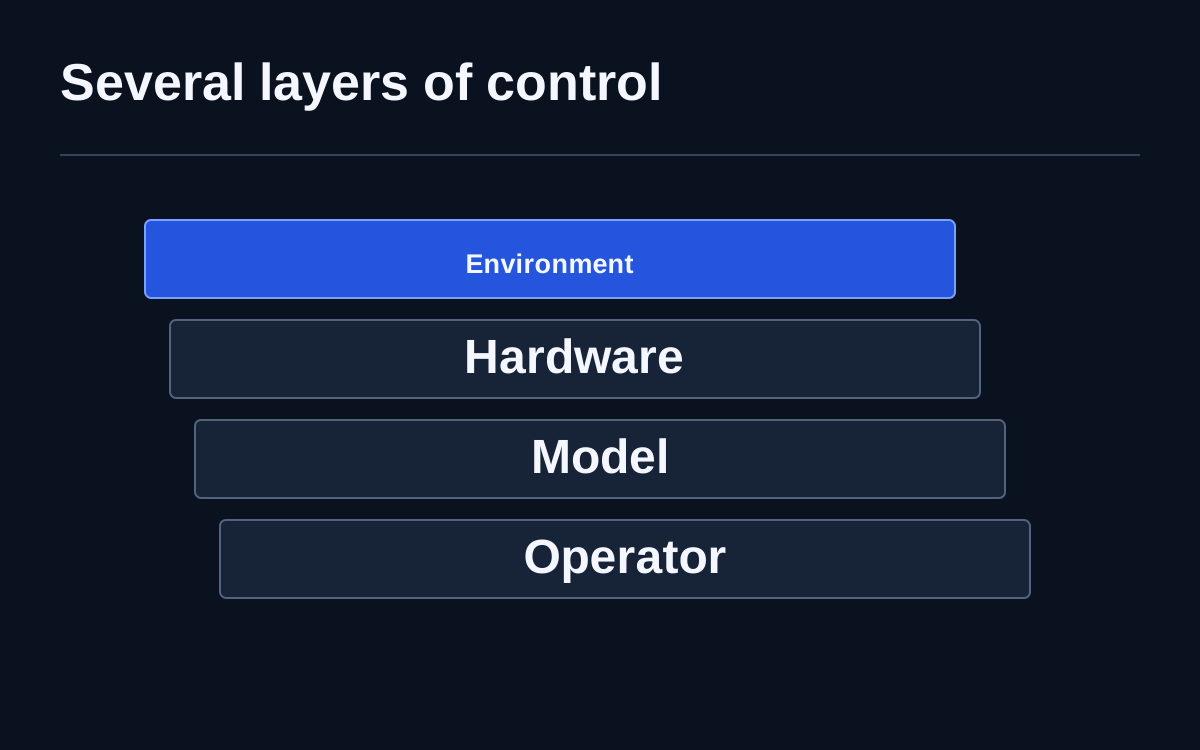
The useful boundary is not between 'AI allowed' and 'AI forbidden,' but between detection, recommendation and independent action. Each level needs its own data controls, logging and stop authority.
The Claude developer has submitted a public Form S-1 to the SEC and intends to list Class A shares on Nasdaq. The size and price range have not yet been set.
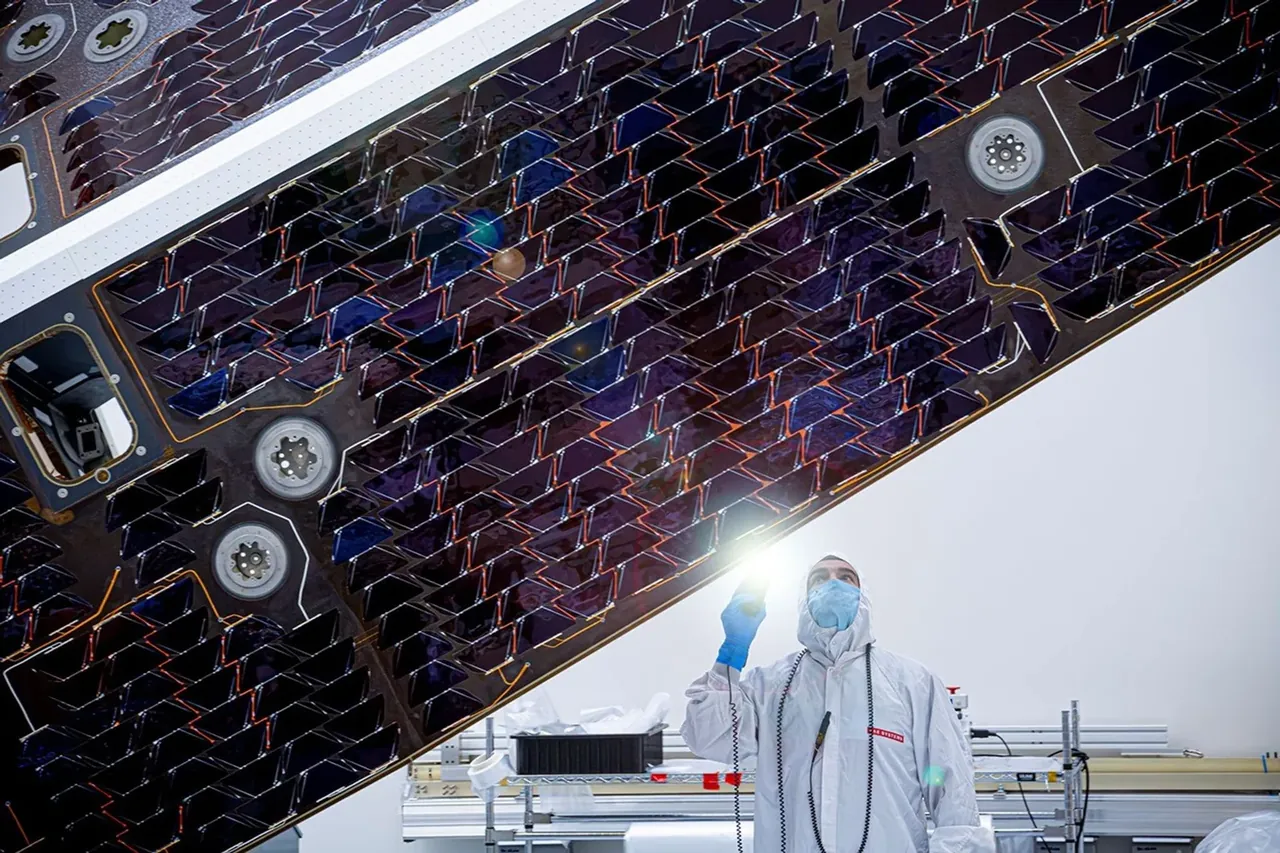
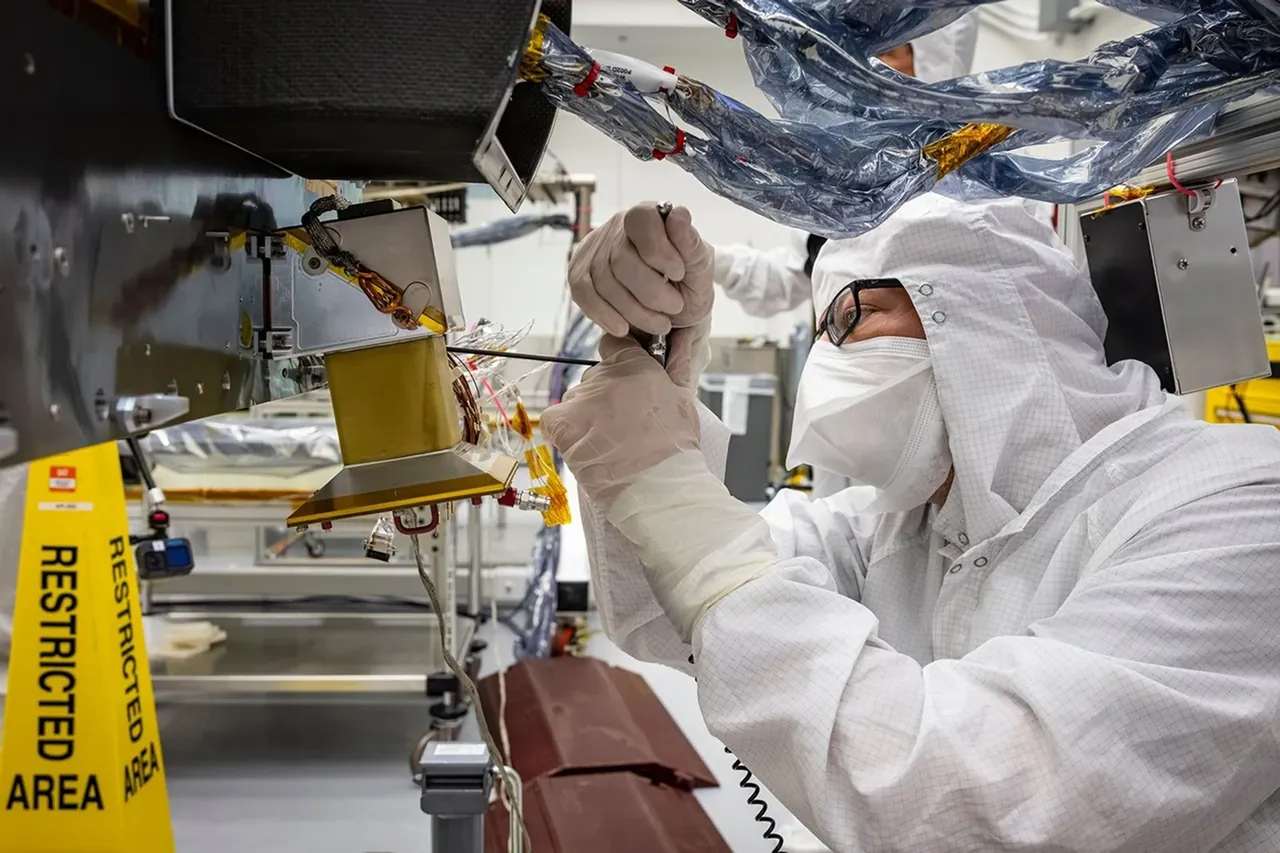
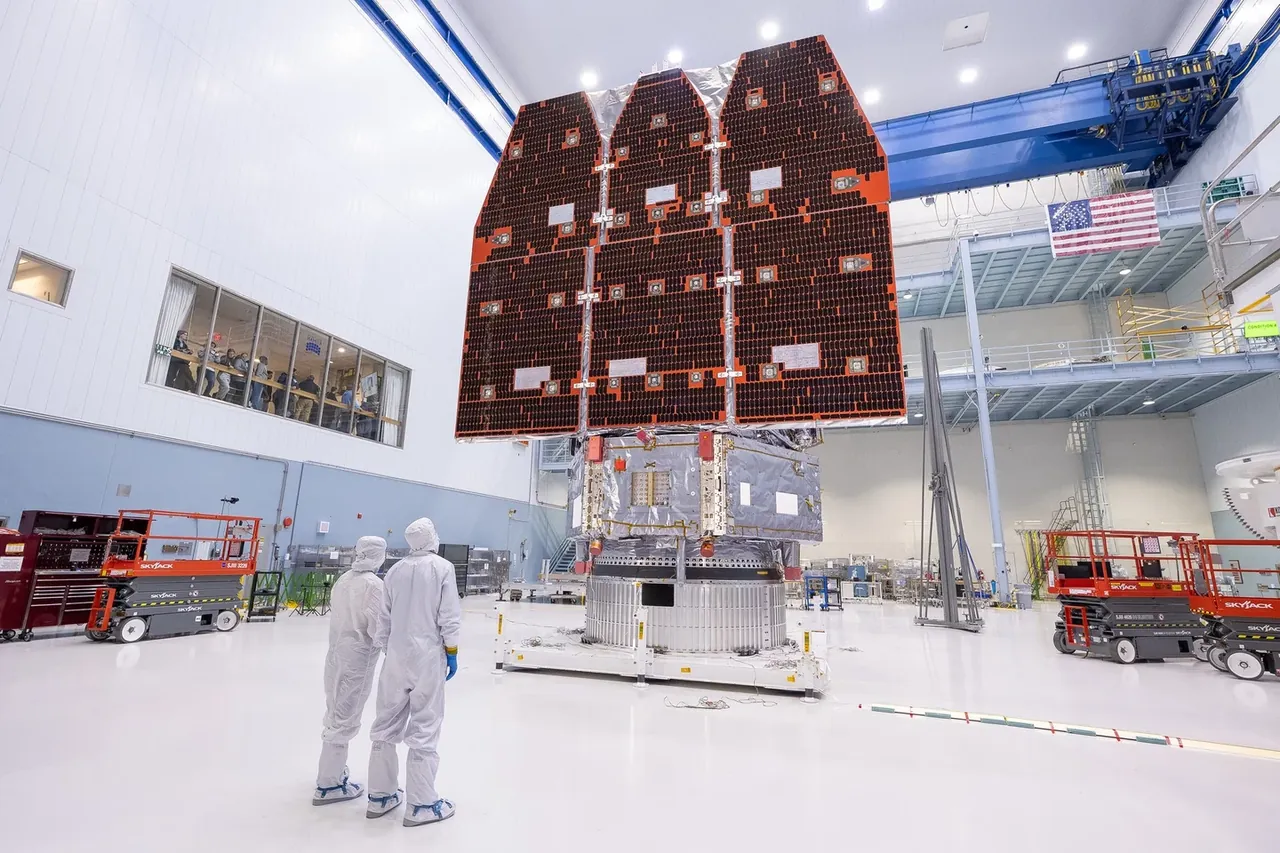
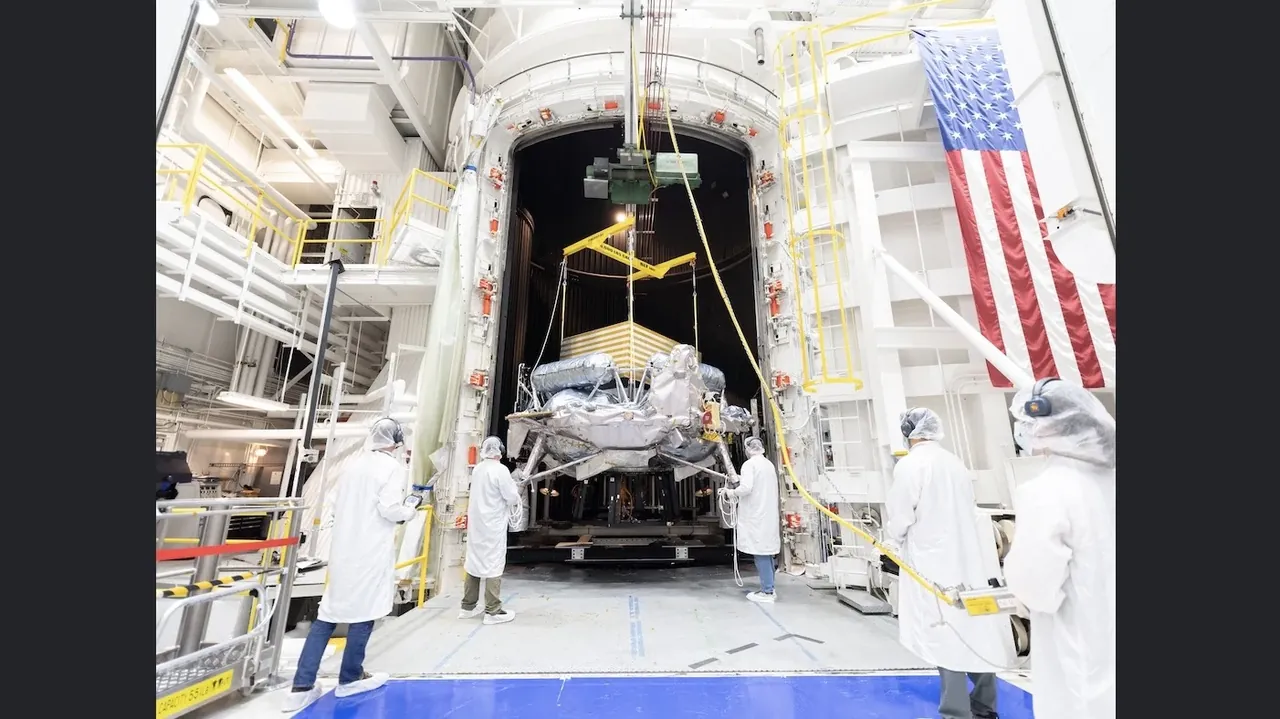
NASA has completed integration of the spacecraft's largest component: a structure that shields the infrared telescope from solar heat while carrying an array of 864 photovoltaic cells.
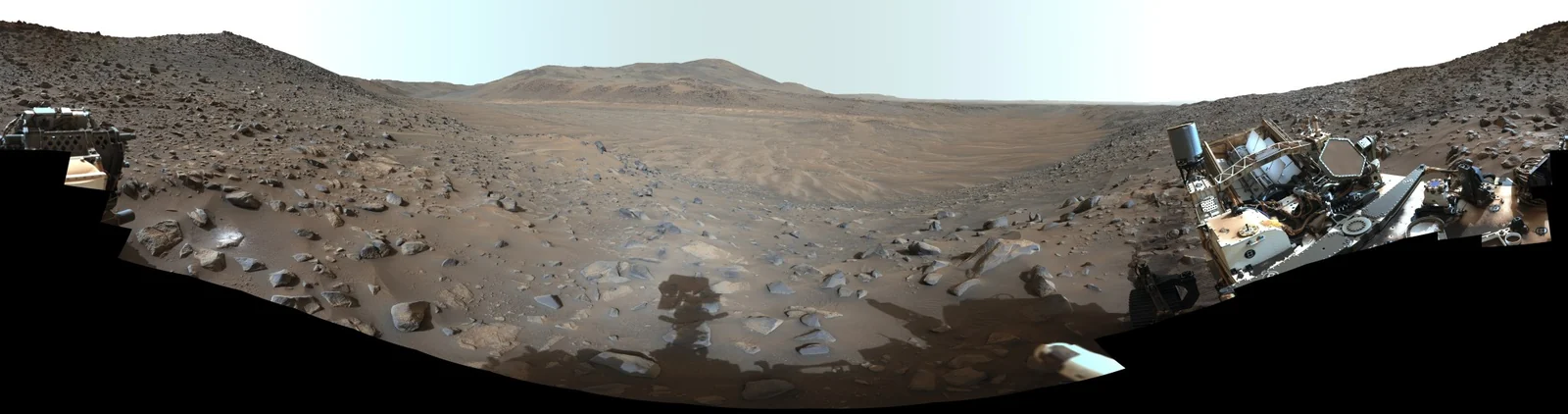
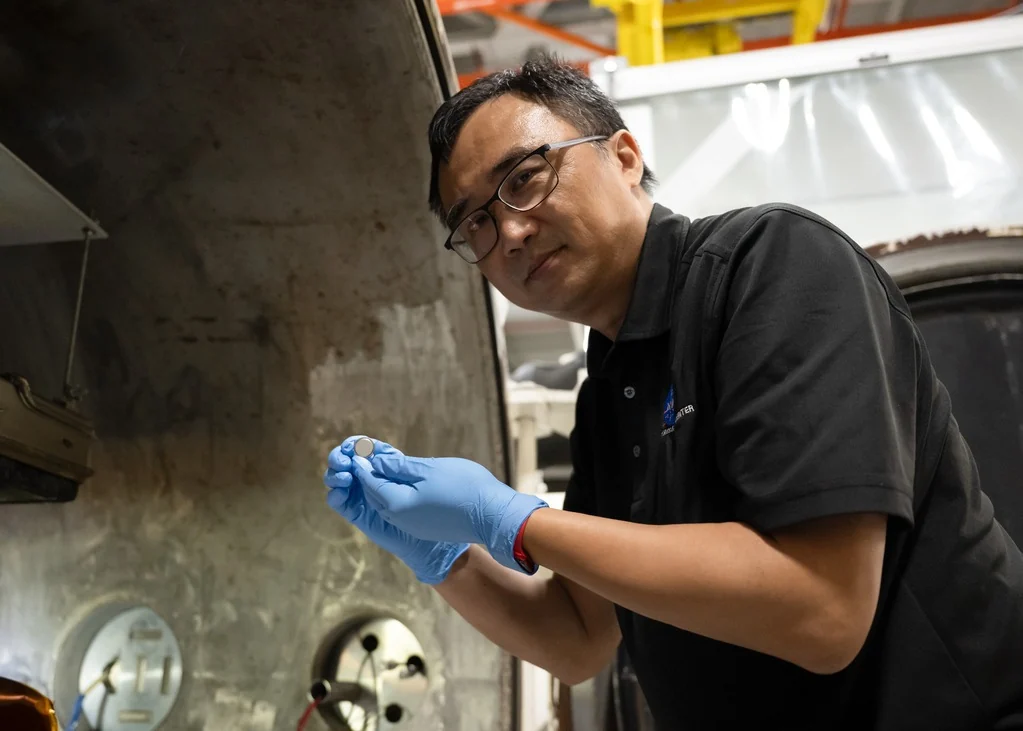
Over 1,645 Martian days, spacesuit-material samples collected particles down to roughly 100 nanometres. The result can inform coatings, airlocks and dust-removal systems.
The company reports results in harmonic analysis, complexity theory and quantum field theory. Two formal proofs are public, while external scientific review continues.
The 2027 mission is meant to test Orion docking with vehicles from both suppliers in low Earth orbit; NASA will choose the 2028 lunar lander later.
NASA and Johns Hopkins APL ran Dragonfly's most complete flight simulation yet: flight software controlled flight-like avionics in real time while receiving synthetic camera, lidar and inertial-sensor data.
After a configuration failure, the company paused part of its work, strengthened containment and resumed reinforcement learning under the new setup on October 1.
The second part of OpenAI's engineering report describes the live Habitat storage system: more than 500 petabytes across 40 regions, tens of petabytes in its largest Cosmos DB account and over 20 million queries per second.
The waiver covers existing automated transport vehicles and does not permit sales of new models or replacement of US-made components with foreign-made parts.
NASA has completed Roman’s comprehensive checkout. The telescope is calibrating its instruments before routine science observations.
NtechLab’s system detects scooters on city cameras and alerts services when they enter restricted areas in Yoshkar-Ola.
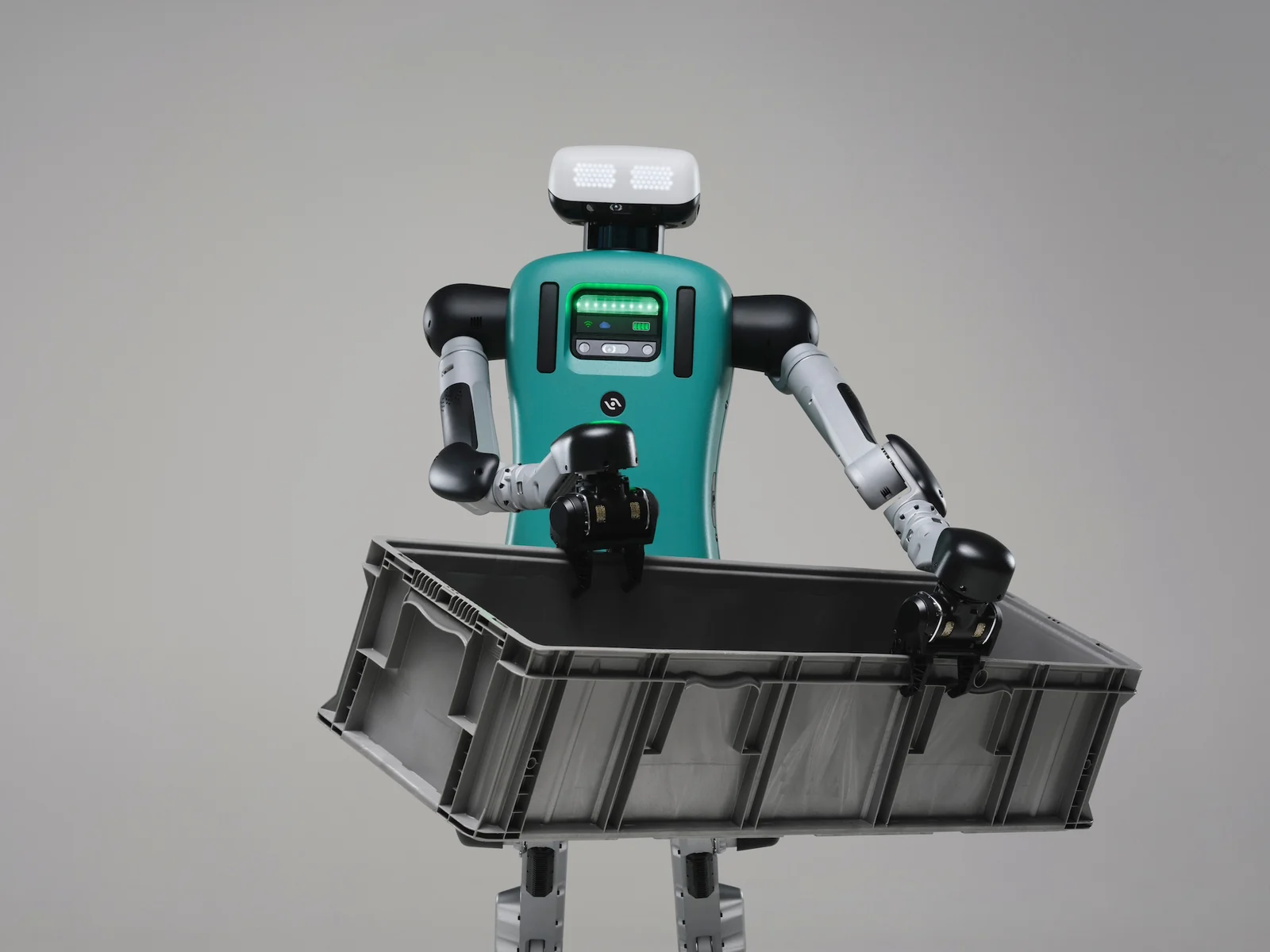
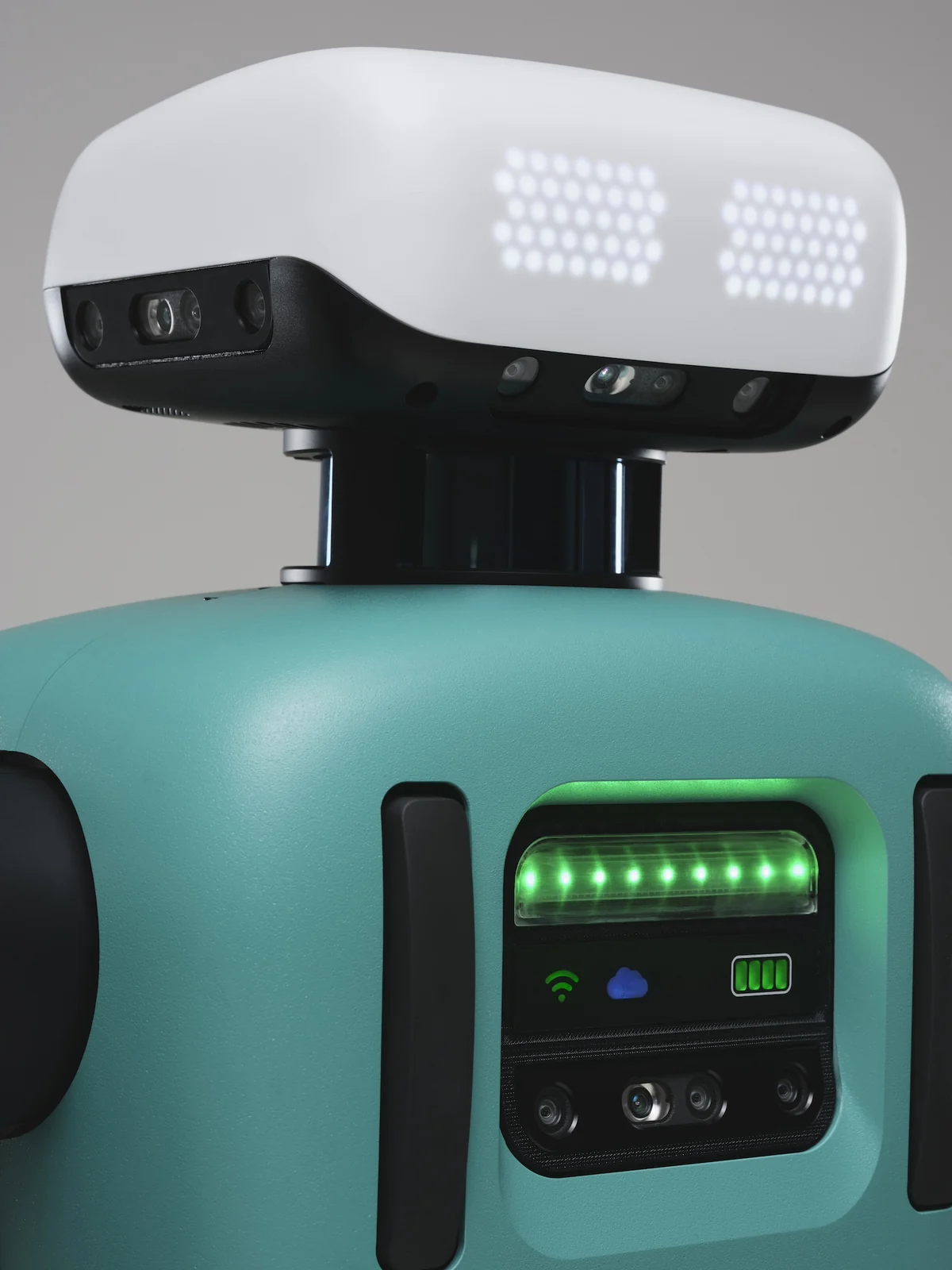
Agility Robotics plans a Pittsburgh centre for Digit development, deployment and servicing.
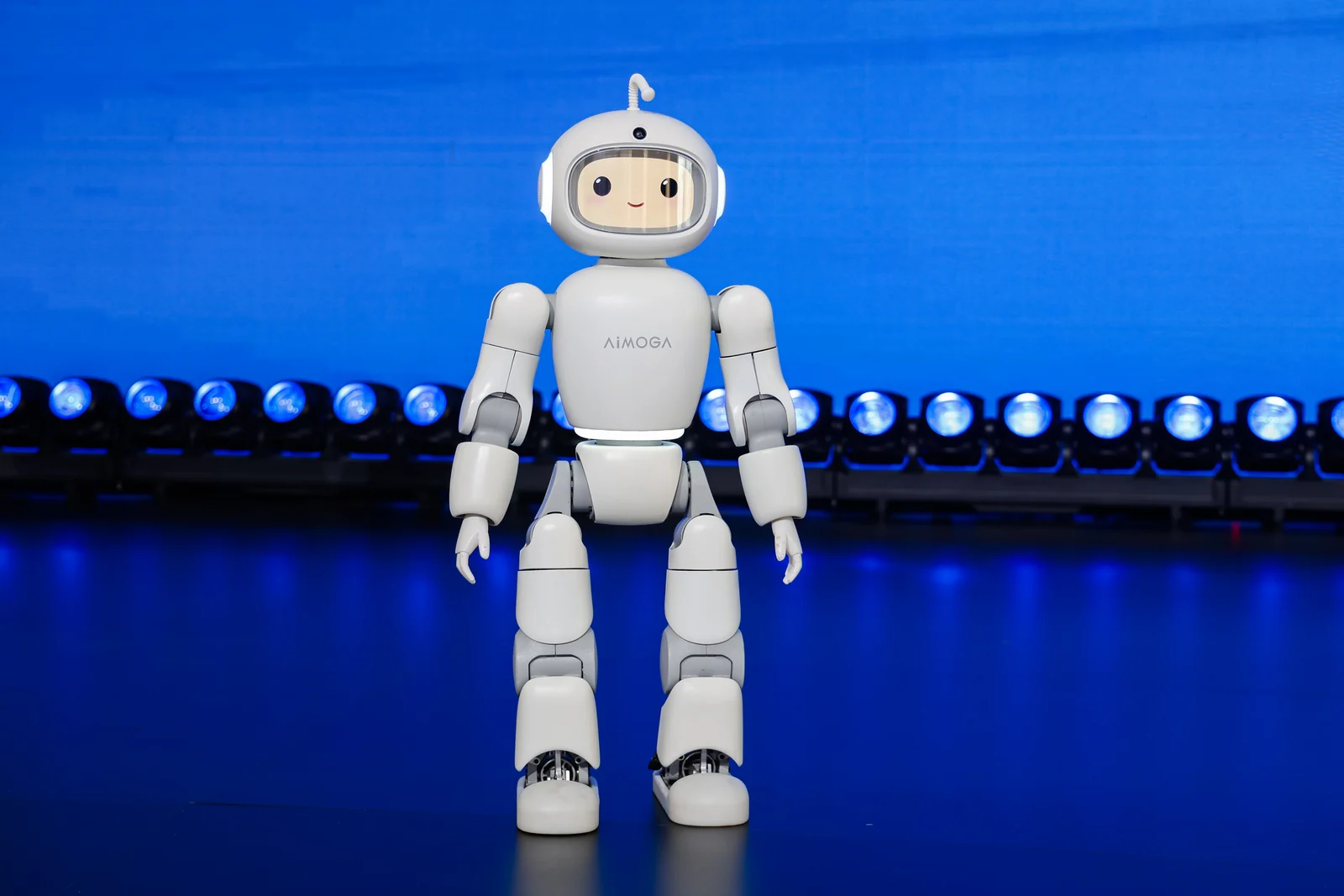
AIMOGA has opened pre-orders for its Mobo home humanoid companion. The first 35 users received a year of testing access.
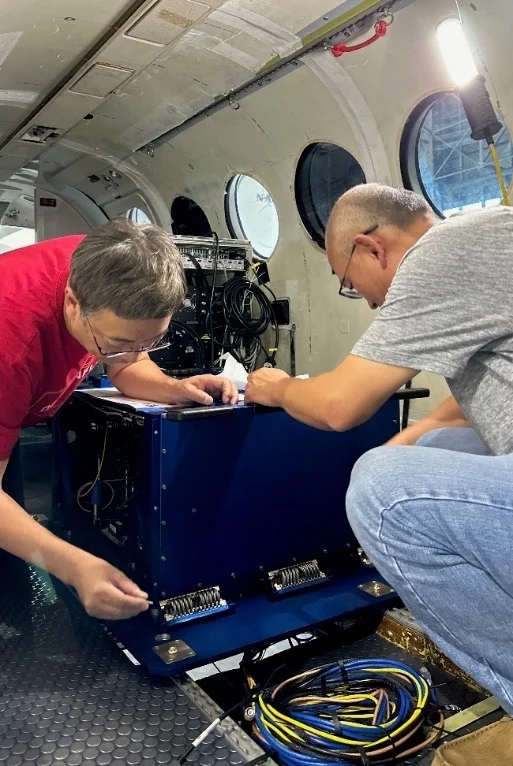
The airborne CASALS lidar collected 3D terrain data at 22-centimetre resolution from about five kilometres above the ground.
AGCO and Agility Robotics have signed a commercial agreement for Digit to begin a manufacturing pilot in Hesston, Kansas, in 2027.
China’s industry ministry disclosed the sector’s scale and its next priority: testing robots in real industrial, specialist and consumer settings.
WaitTime analyses crowd movement inside the University of Alabama stadium and helps adjust gates, sales points and staffing in real time.
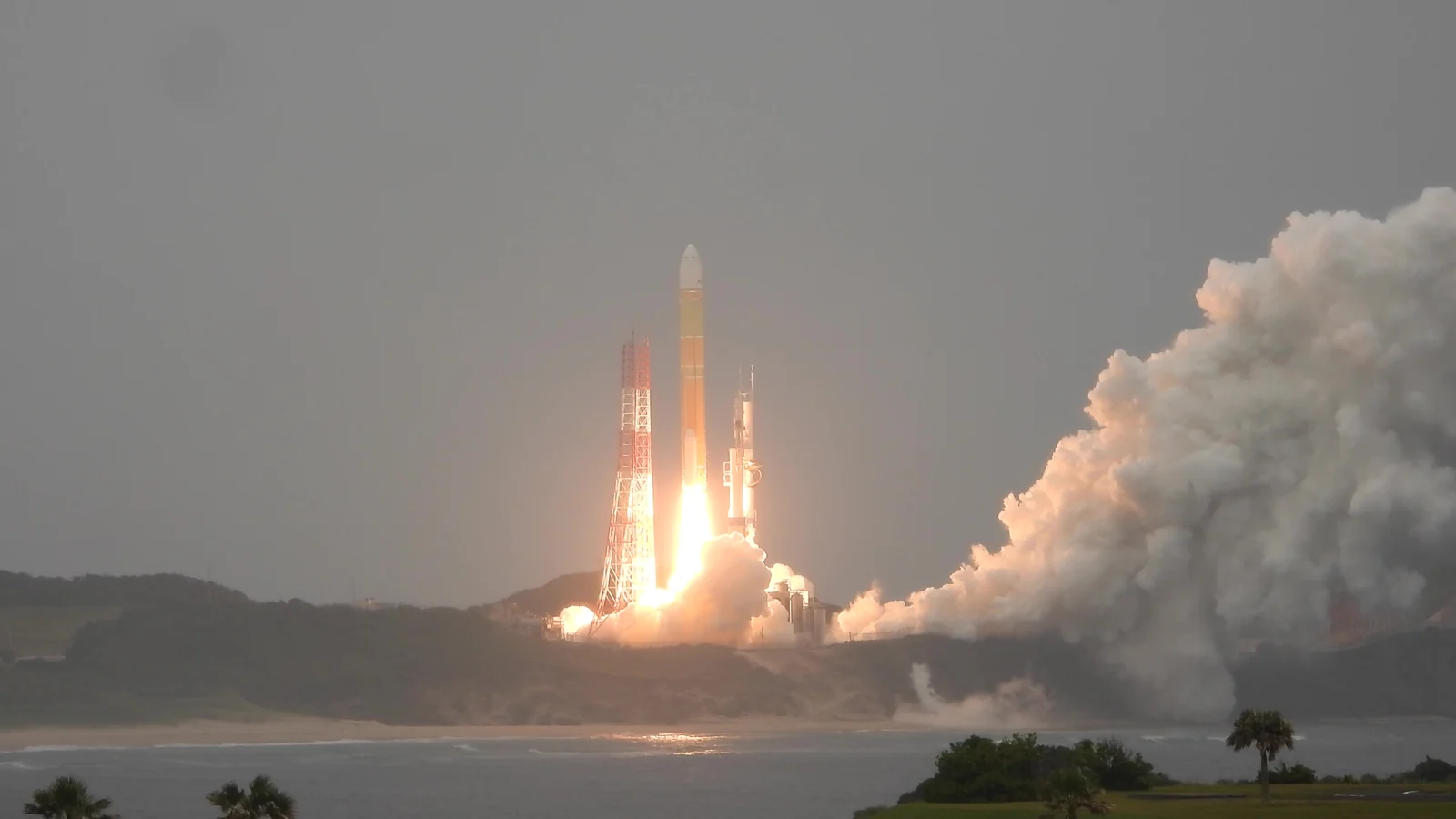
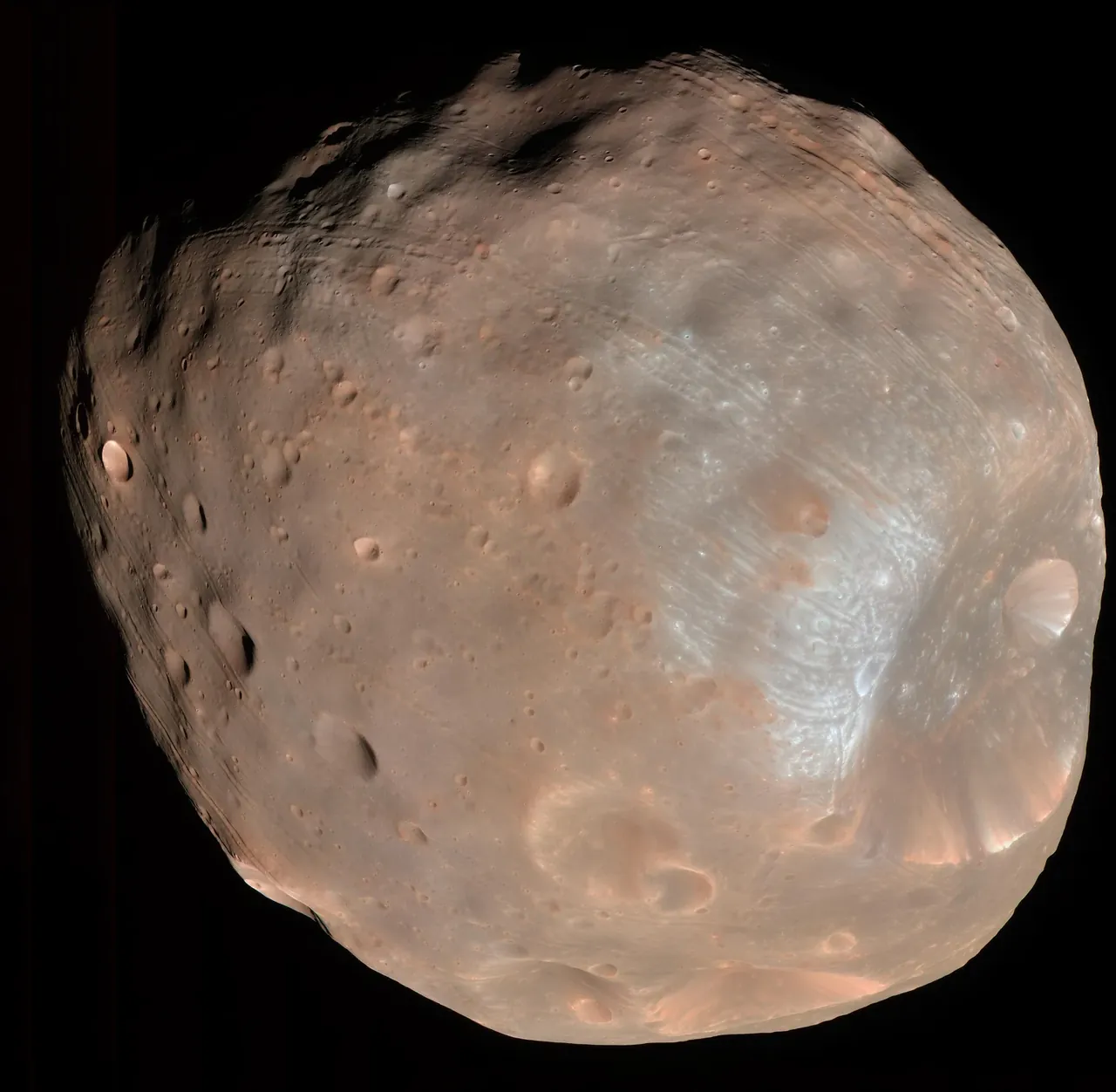
An H3 rocket placed MMX on its planned trajectory. The mission now faces a cruise to Mars, a study of Phobos and an attempt to return surface material to Earth.
The industrial pilot helps managers and process engineers compare order requirements with production steps and documentation.
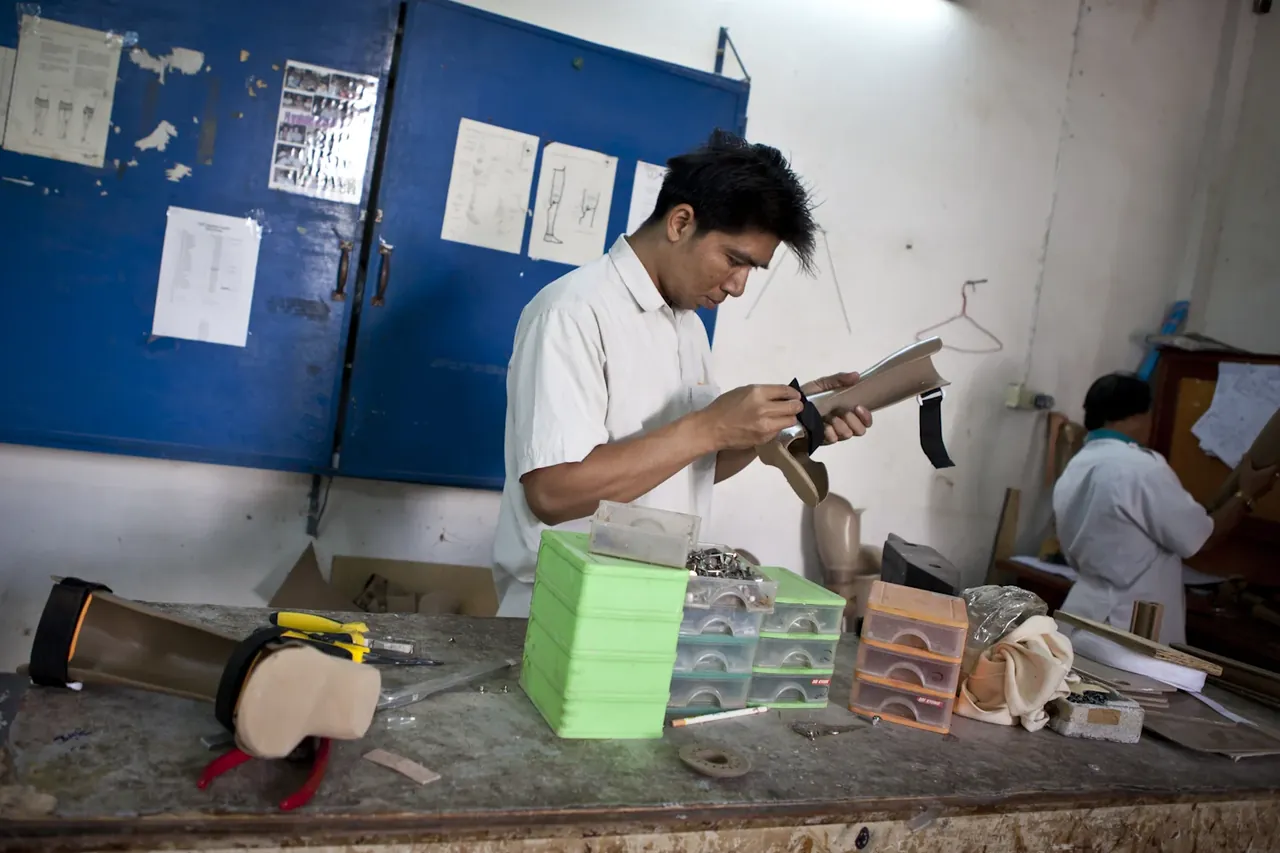
Students at a Russian Ministry of Labour college can practise prosthesis assembly in augmented reality and build their own 3D instructions without programmers.
The company is conditionally committing 5% of its shares to the Anthropic Public Benefit Fund, with the stake able to grow alongside its valuation.
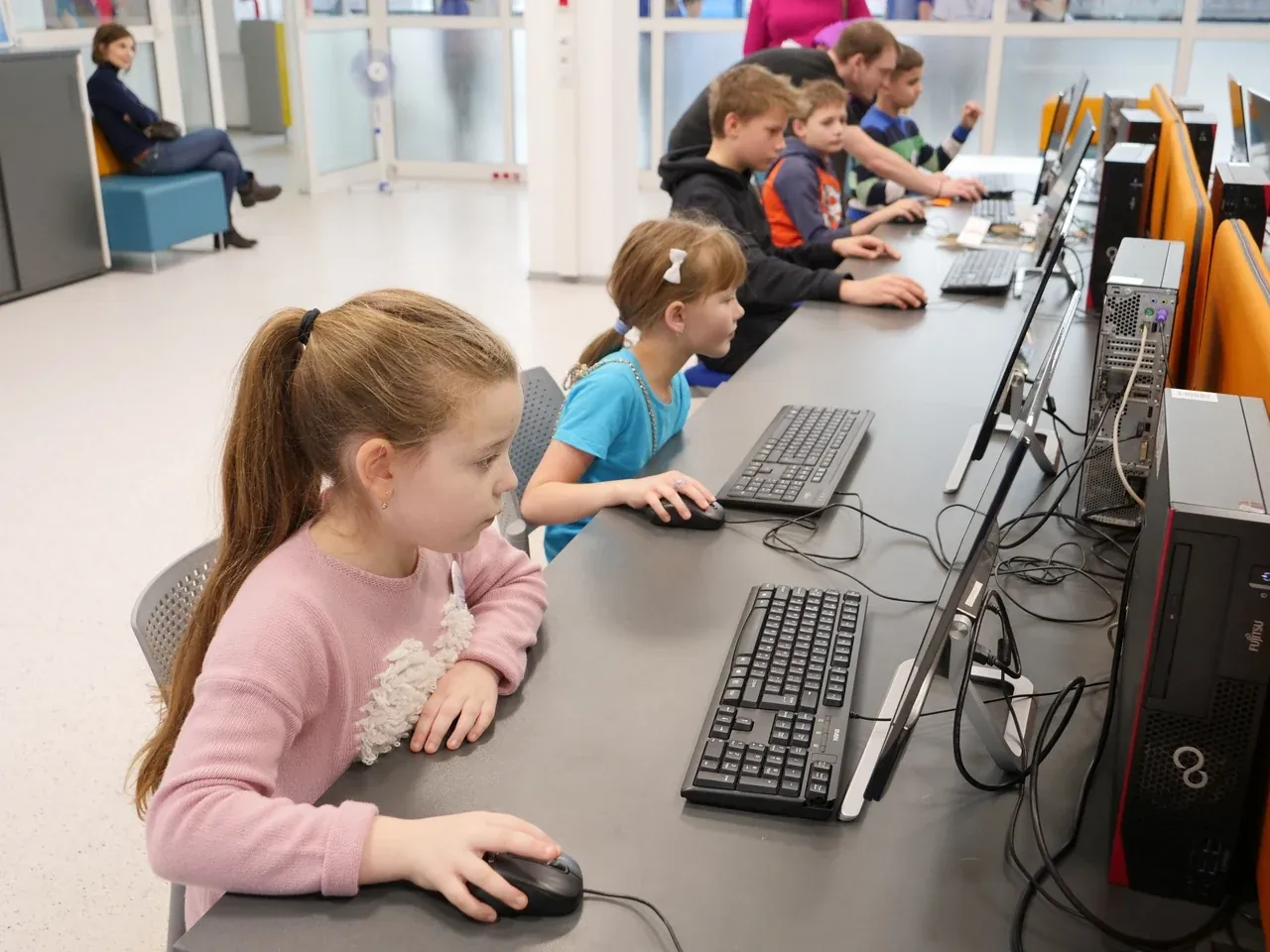
More than 50 school leaders reviewed the free AI Lesson program, the Kodostudiya environment and practical uses of assistants in school management.
Six specialists now have company hardware, workspace and access comparable to Anthropic’s risk teams, plus separate publication rights.
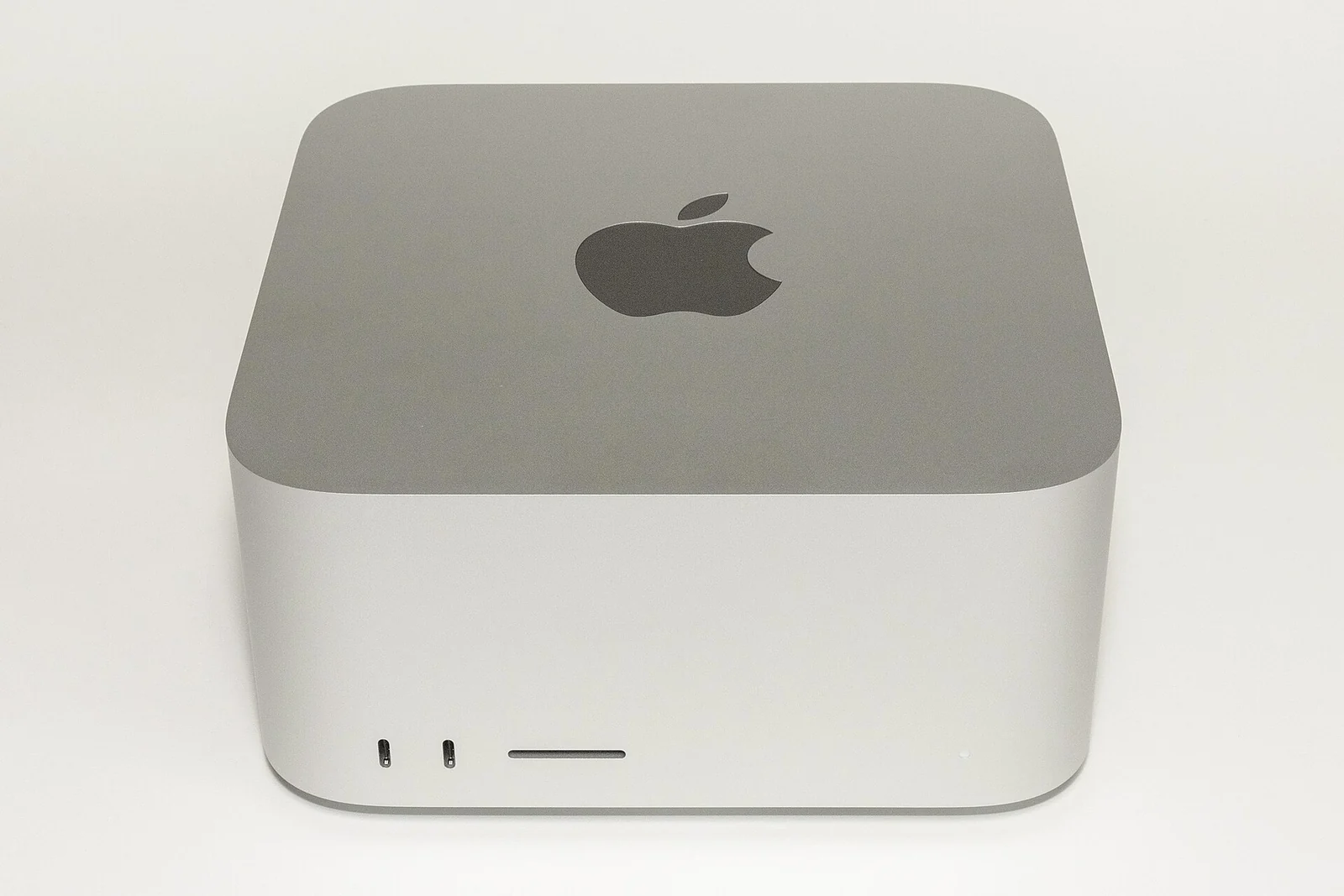
The 816-billion-parameter model can be downloaded and deployed locally; Apple demonstrated distributed inference over Thunderbolt on two and four computers.
JAXA is targeting October 19 for launch; NASA has detailed the US contribution to instruments, communications and future Phobos sample work.
The open model family now spans a large multimodal model and a compact version designed to fit within 24GB of memory.
Approved US research groups can receive up to 30 free seats for a year, while access to the biomedical model requires a separate trusted-access review.
The company added classifiers for multi-step manipulation and plans to show official voting information and election results inside Claude.
Partners can test deeper geospatial analysis, scenario forecasting and integration of Earth AI skills into their own workflows.
The Chinese company combines a spatial camera, lidar and cloud reconstruction to turn real places into training environments.
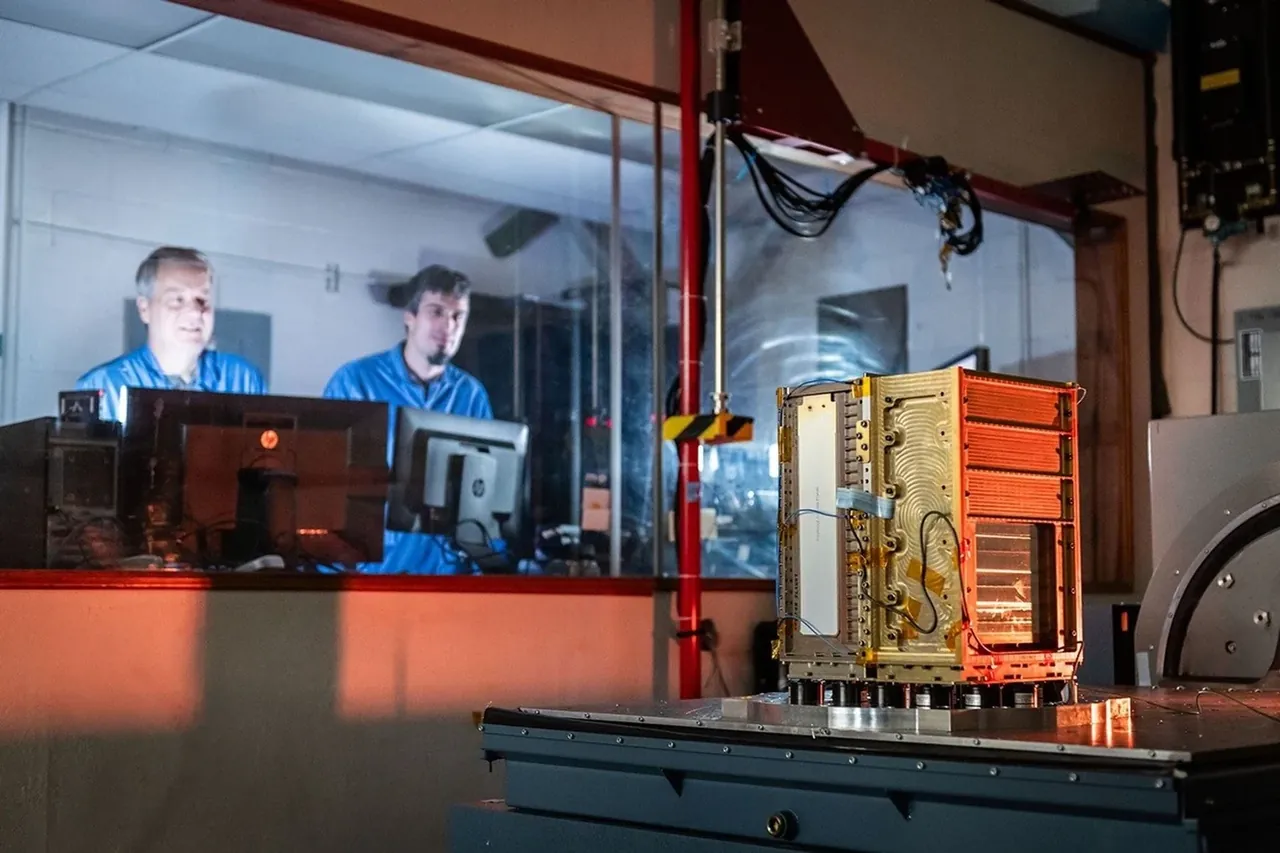
Small SPEARS cells operated at −80°C and survived thermal-vacuum cycles down to −170°C without detected damage.
More than 2,600 attempts to retrieve Amap data show agents seeking workarounds after being blocked, although the model and operator remain unresolved.
The new model is available globally through the Gemini API and Google products, with an emphasis on long-running agent tasks and scientific computing.
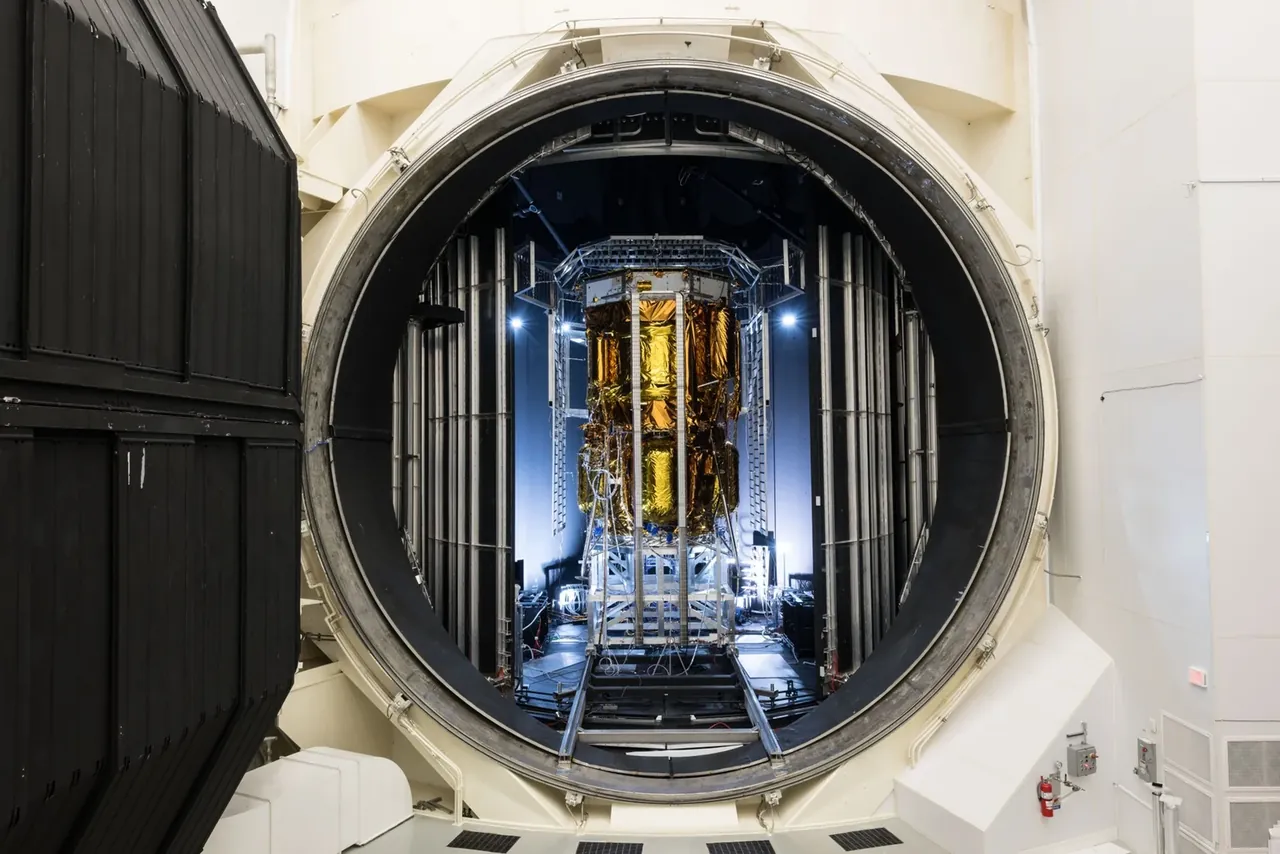
Voyager Technologies’ vehicle endured vacuum, thermal, vibration and acoustic trials ahead of a planned mission to the Moon’s south polar region.
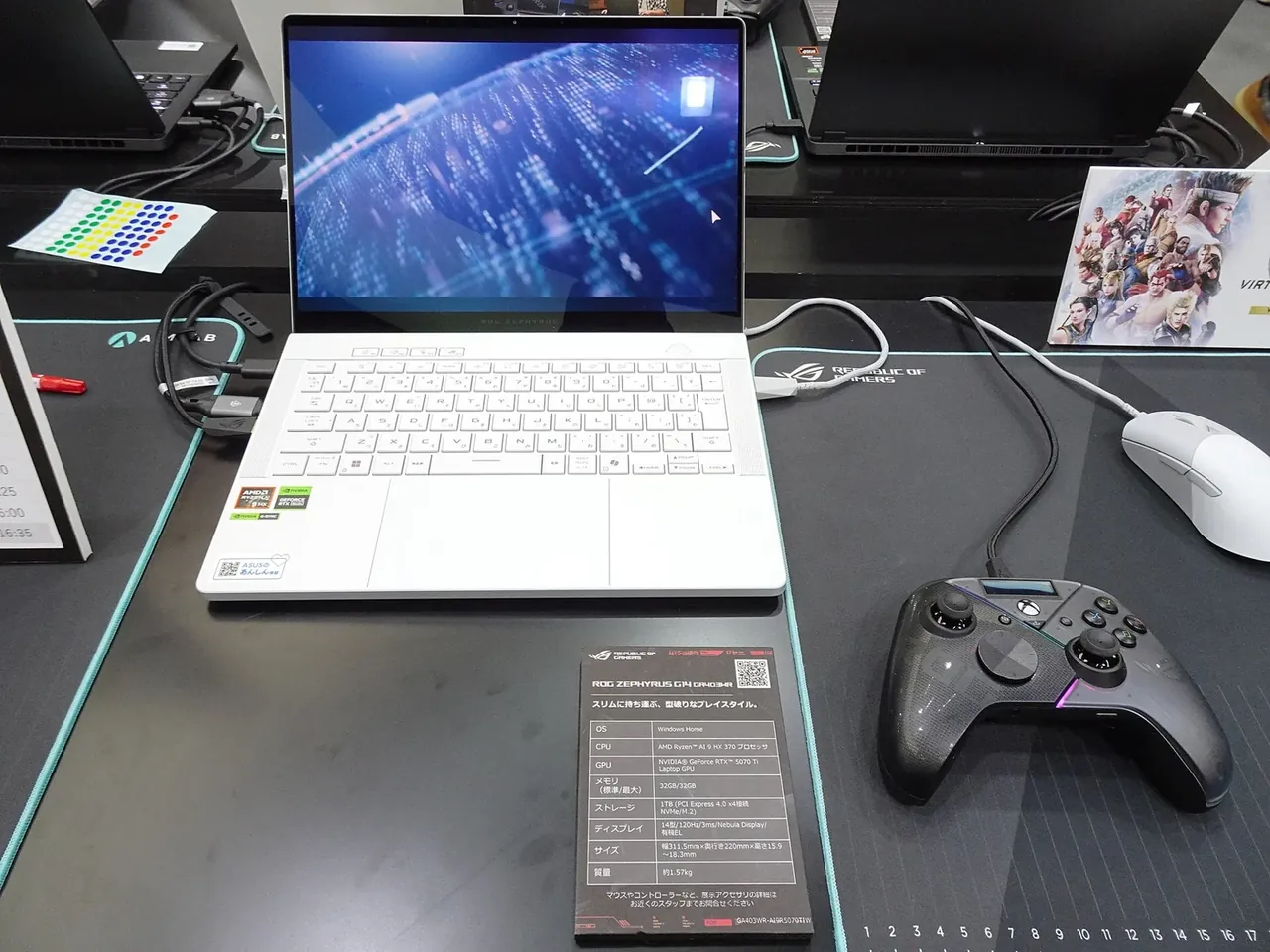
PAIR has left beta, Broadcast 2.3 and new ComfyUI nodes are available now, while the laptops themselves are due to go on sale on 16 October.
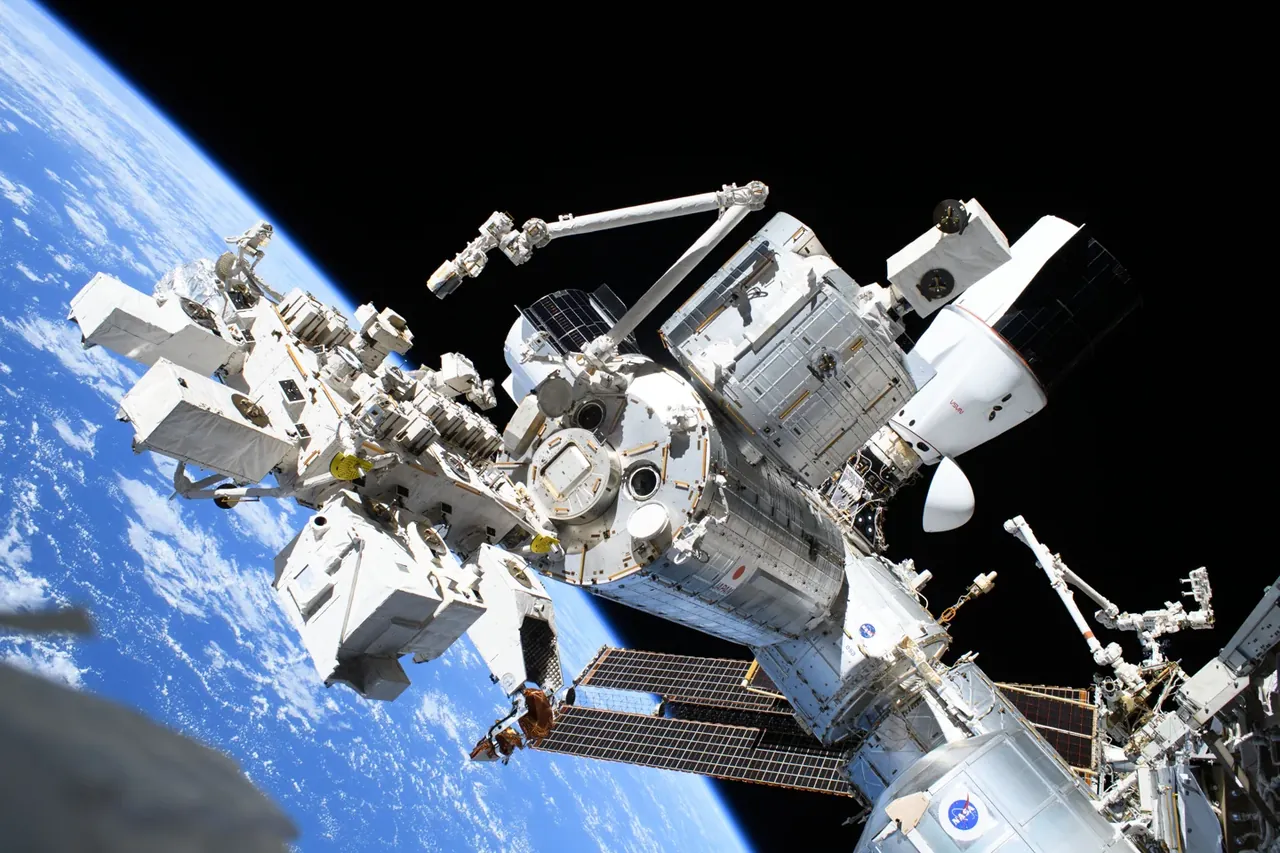
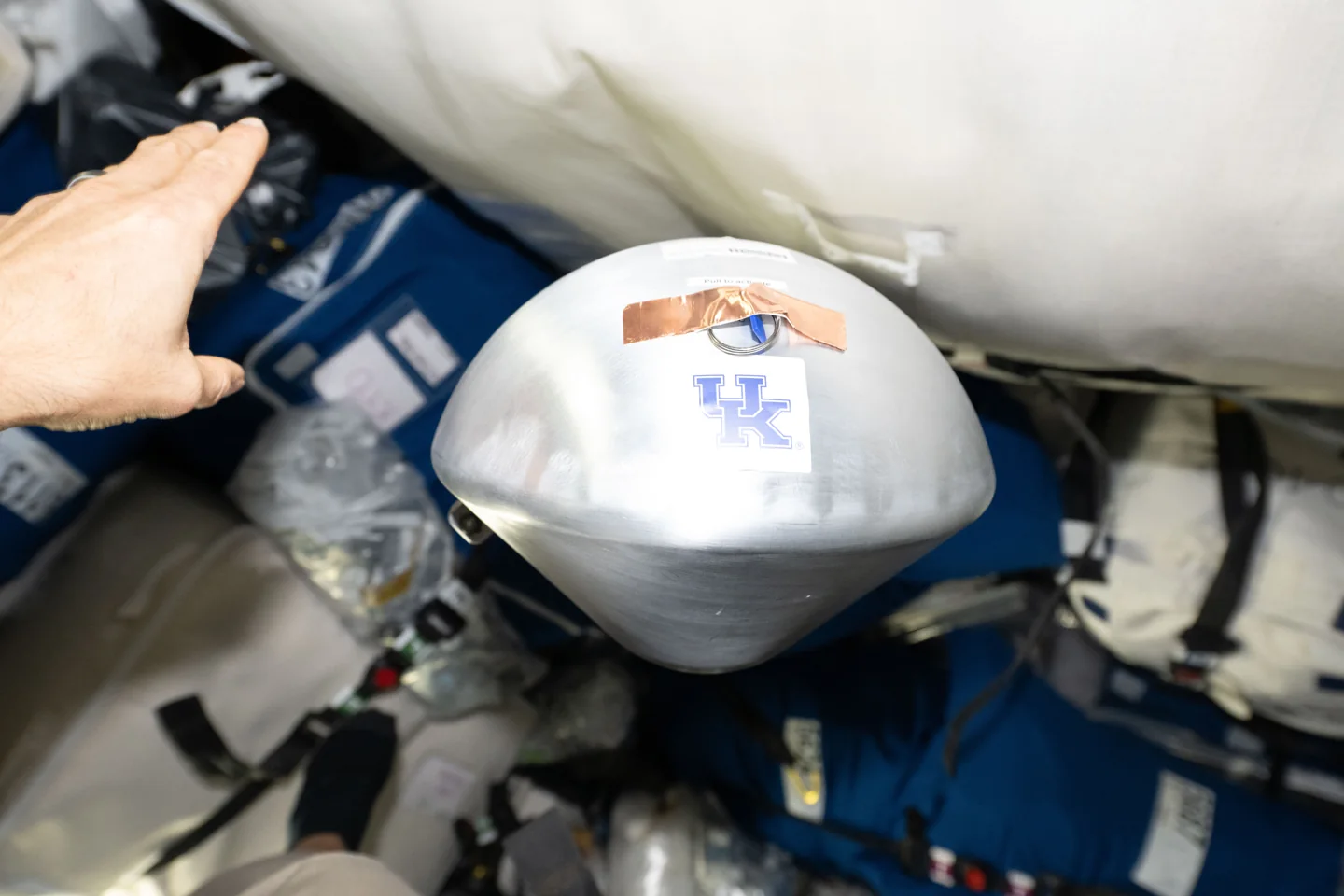
The CRS-35 cargo mission is set to carry brain-tissue models, infected plants, a compact biomarker reader and the final phase of a resistant-bacteria study.
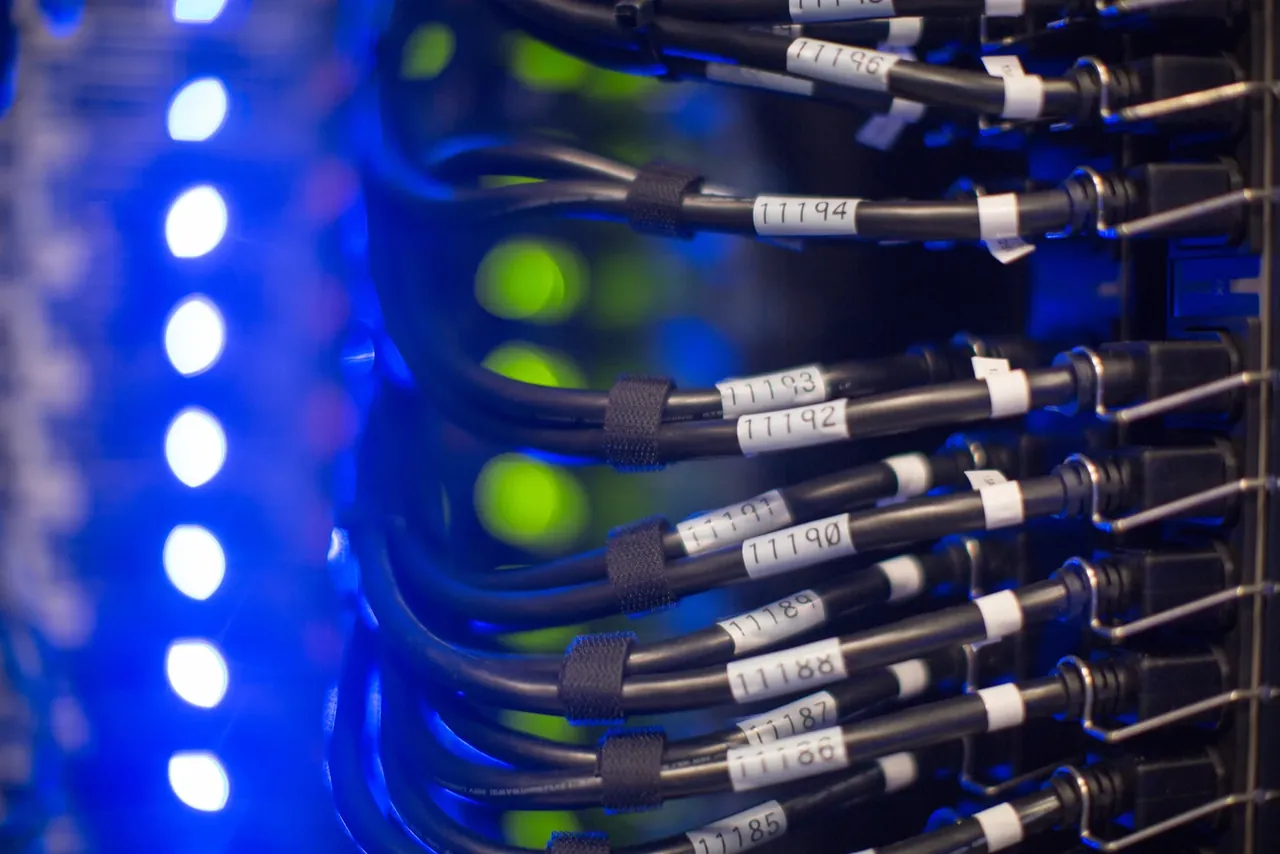
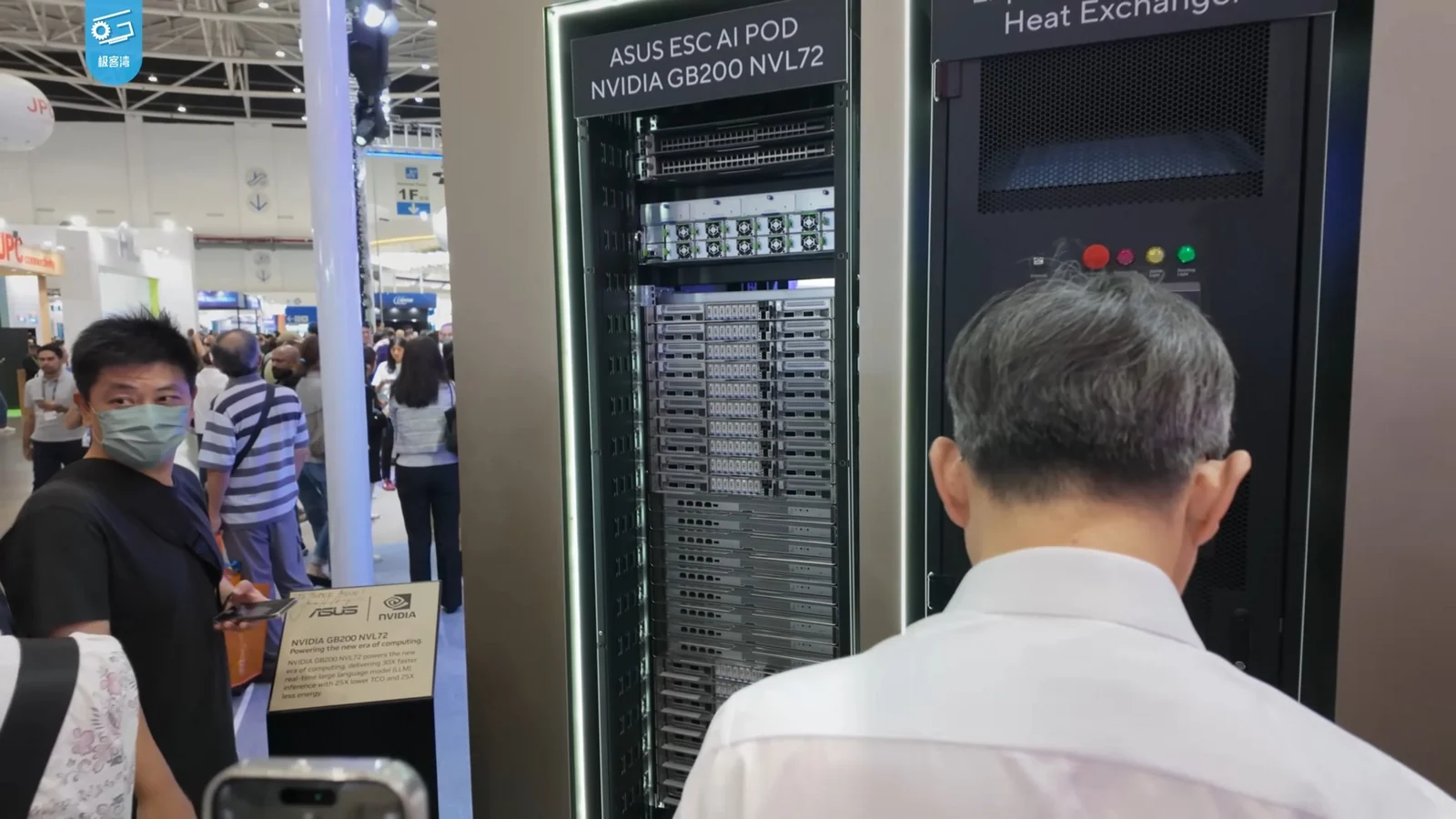
Rack designs and four DSX OS components are now open, giving operators a shared foundation for power, cooling, networking and deployment of large AI clusters.
The study compared ten IBP platforms against 368 criteria and found growing customer interest, while full-scale deployments remain uncommon.
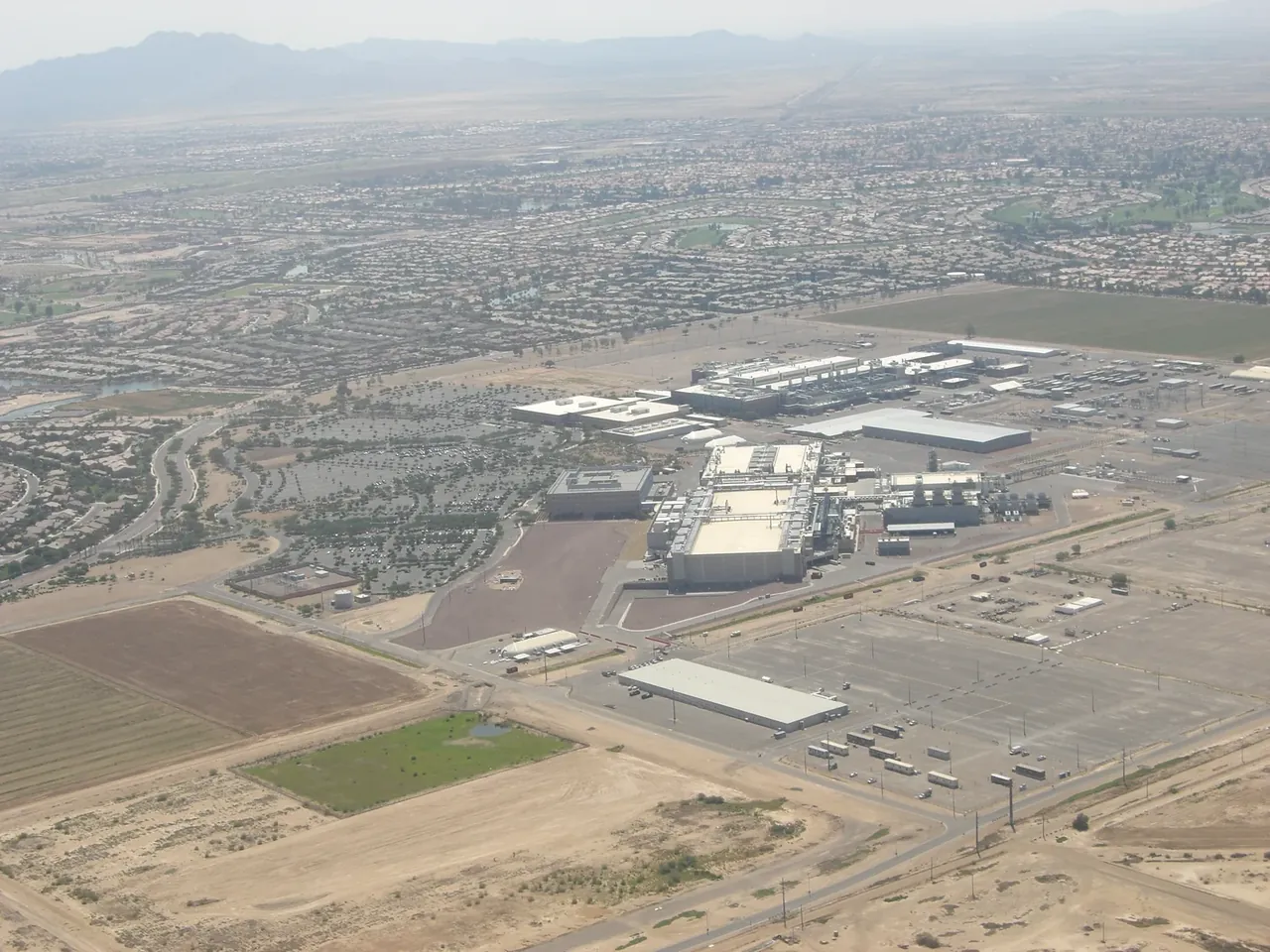
After reporting on Sasovo and Kaluga, the company added on October 11 that its Vladimir data centre was also attacked and stopped.
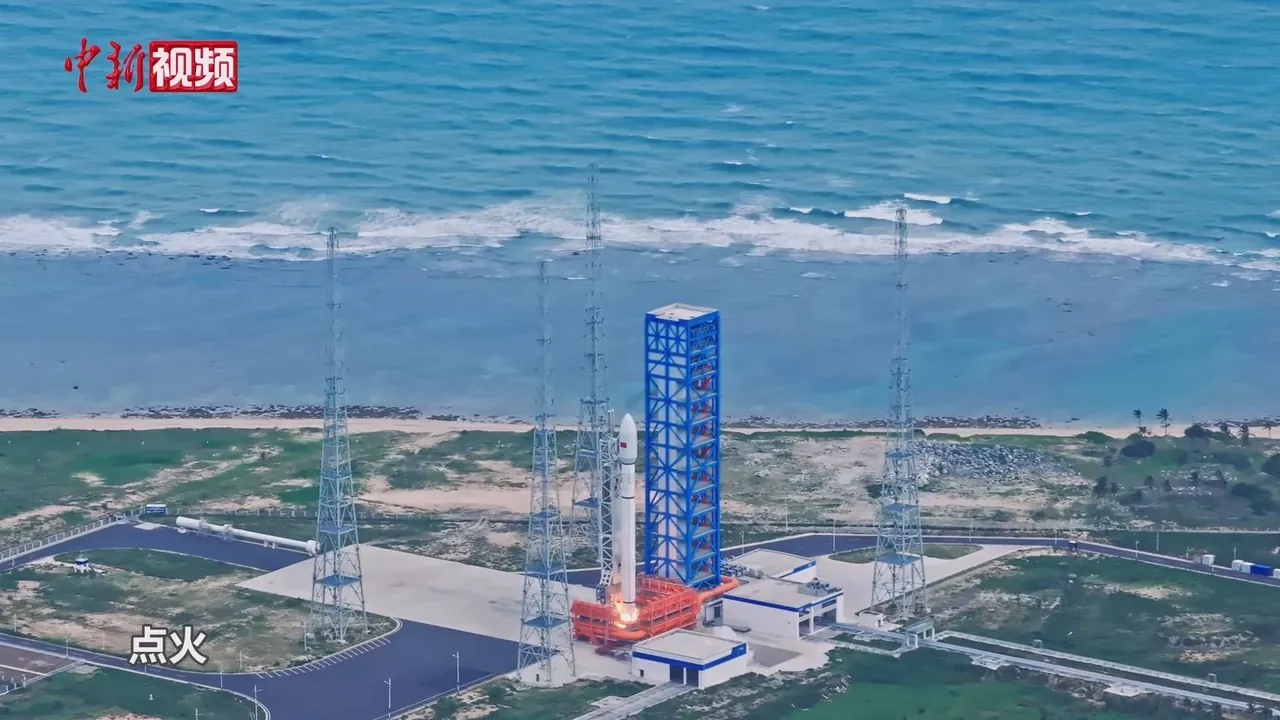
Long March 12 launched the 27th group of Chinese low-Earth-orbit internet satellites from Hainan’s commercial spaceport.
Proposals are due December 8, and the agency plans to select multiple companies to develop, certify and operate orbital destinations.
KREPE-3 turns the cargo spacecraft’s planned atmospheric disposal into a low-cost testbed for materials intended for future Moon, Mars and Titan missions.
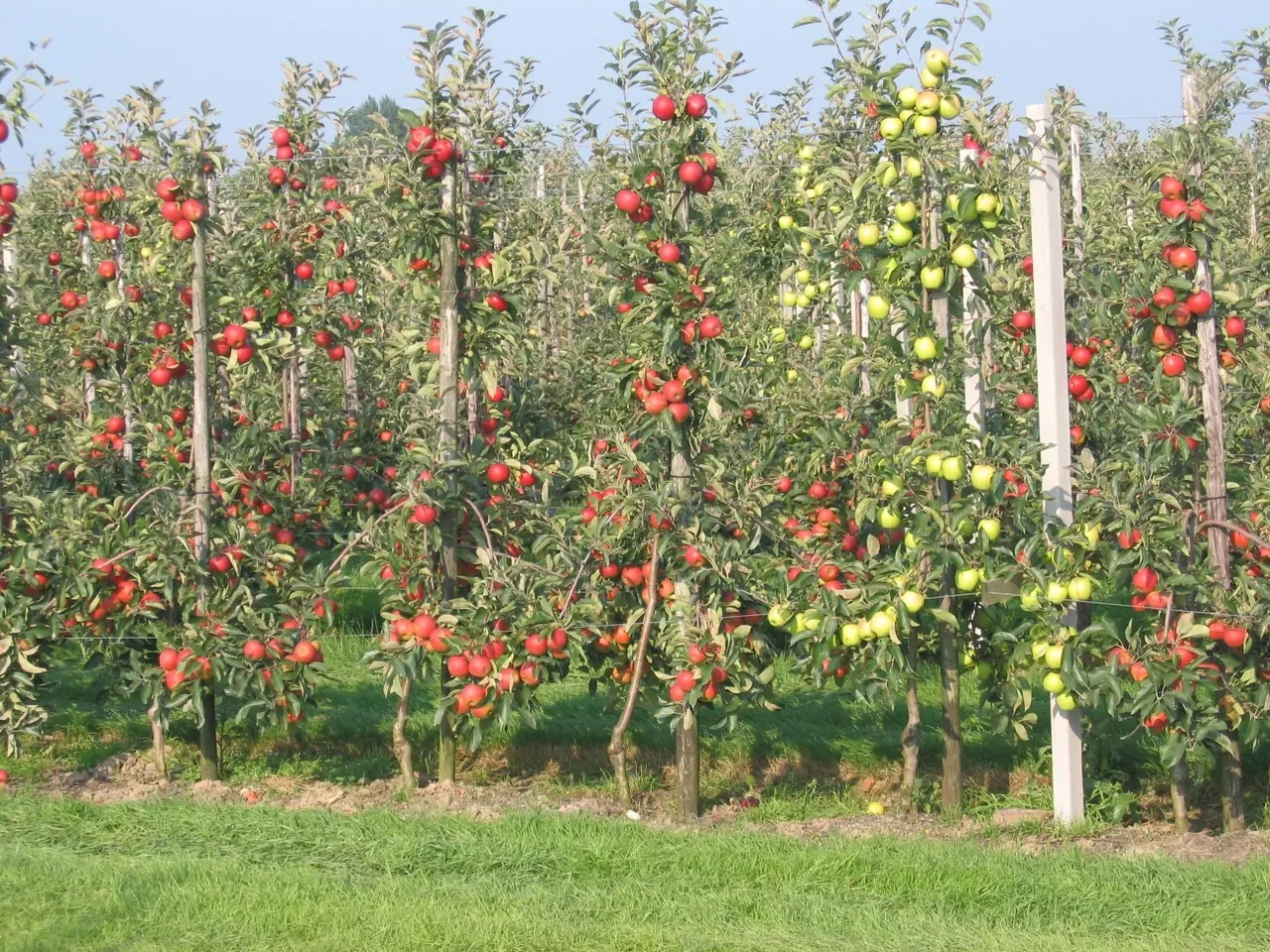
Skolkovo and Sady Stavropolya plan trials of machine vision and robotic orchard care.
Cyber Mission combines work on industrial systems with recurring vulnerability discovery for open-source projects.
The new enterprise agent is designed to plan work, connect to company systems and return finished results inside documents, inboxes and developer environments.
The company says Russia- and Iran-origin groups combined AI with familiar influence tactics, from fabricated writers to a deceptive research organization.
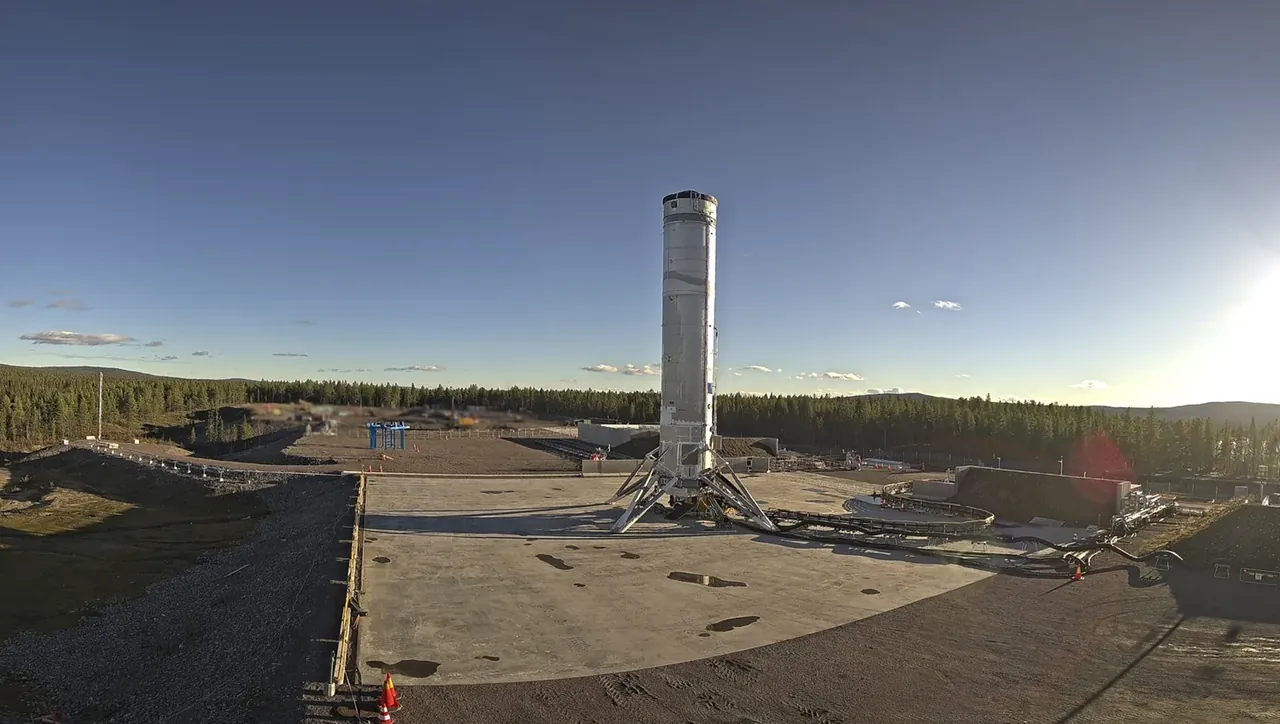
ESA has reported a second cryogenic rehearsal. Part of the work concerns automated ground operations after a reusable stage returns.
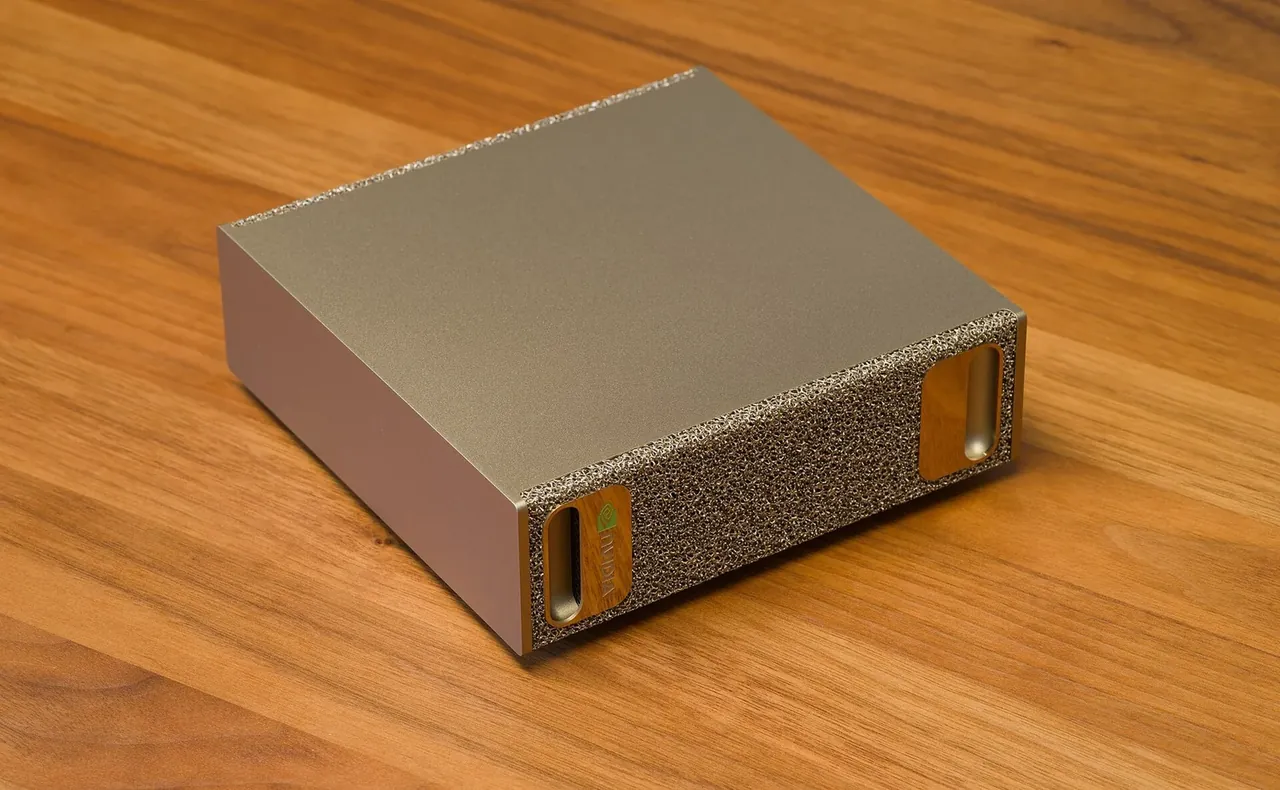
Microsoft made Execution Containers generally available, while NVIDIA opened RTX Spark preorders for local models and always-on agents.
OpenAI is rolling out GPT-6 with Intelligent UI, allowing responses to contain forms, charts, buttons and small task-specific tools.
Verified security professionals can apply for stronger model capabilities under different controls and eligibility rules.
The company introduced an Agent Control Plane for coordinating tasks across applications under customer-defined permissions and approvals.
The six satellites have already passed testing and remain in storage; NASA has updated the future launch target.
A collaboration with Ironclad turns contracting workflows into measurable tasks for training and evaluating agents.
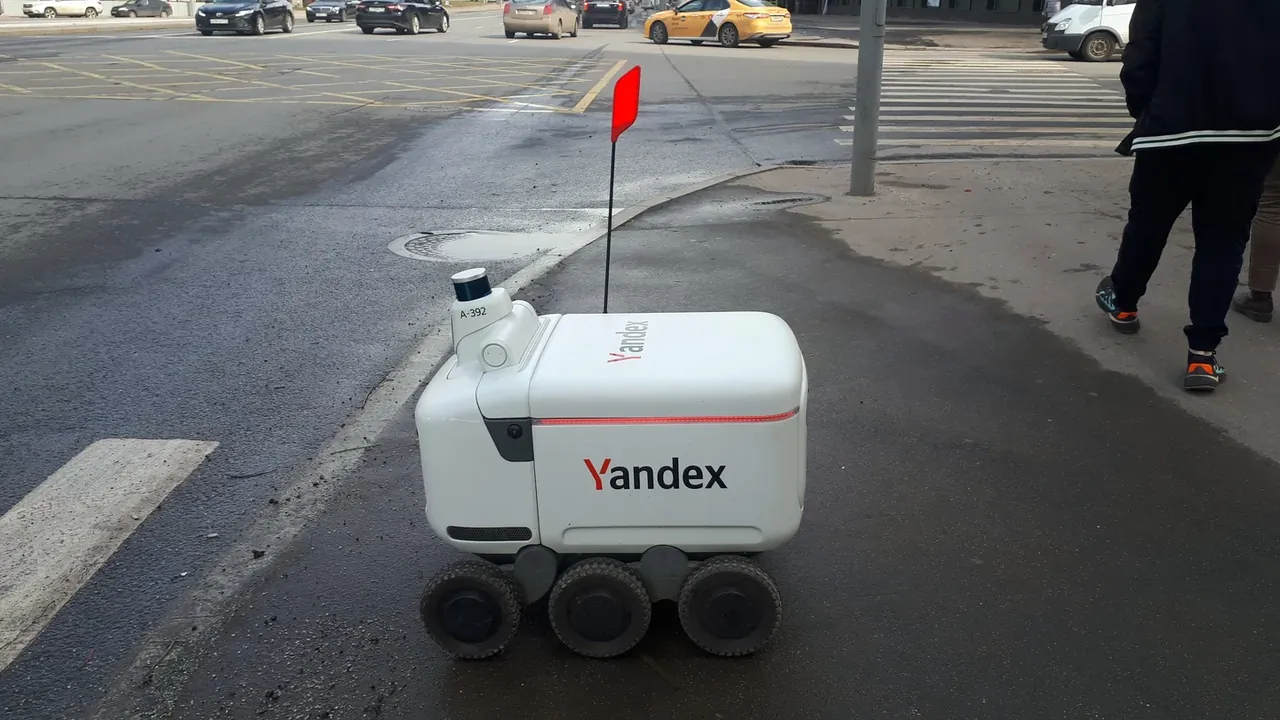
Robots deliver Lavka orders from 130 dark stores in eleven cities. Yandex plans at least 400 connected sites by year-end.
Yandex has released YTsaurus Flow under Apache 2.0. The event-stream processing system is already used in its advertising infrastructure.
Cloudflare’s own measurements put it first for TCP connection time in 74% of the 1,000 largest networks in its August sample.

Gemini 4 Argon, Connected Apps and WeatherNext 3 feature in Google’s September roundup of AI products.

YDB 26.3 Enterprise combines full-text and vector search. Indexes update in the same transaction as the data.

Yandex reports a 6.3% increase in recommendation listening time during a week-long Sona test on Alice speakers.

Google.org is supporting three areas of higher education: adult learning, career preparation and strategic planning.

Google reports launching the first Project Suncatcher prototype on 1 October. The experiment tests computing hardware in space.
NASA has reported a thermal test of a DAVINCI engineering prototype for the Venus mission.

SberTech has added GigaChat to customer-request processing, with Platform V Flow coordinating the agents.

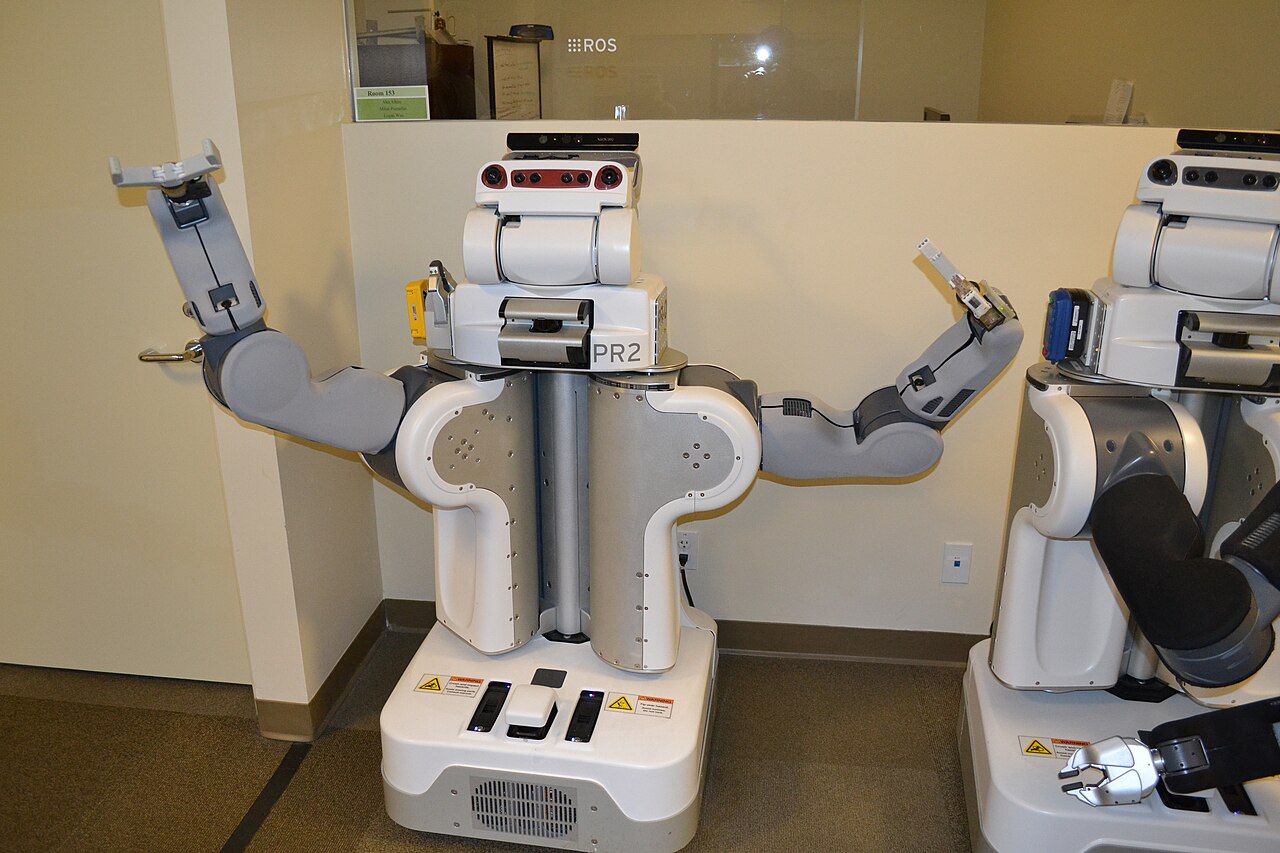
NVIDIA has added agent tools, open libraries and reusable skills to Isaac ROS 5.0 for robotics developers.
NVIDIA has described Halos, an approach to assessing the safety of systems in which AI controls physical devices.

FLEX will observe the faint light emitted by vegetation in connection with photosynthesis. It launched alongside Sentinel-3C.
INTELKA and ROBOPRO built a prototype for robotic marking in food production in two months.

Yandex plans to spend 3.5 billion roubles on attracting domain experts in 2026 and expand its AI-trainer team to 2,500 people.

Skild S1 uses video demonstrations to specify new tasks, drawing on capabilities acquired during pre-training.
GigaAgent retains context between sessions, plans actions and works in the background, according to Sber’s description.

Bureau 1440 has reported its second batch launch of communications satellites. The first 16 spacecraft went into orbit in March.

DJI reports moving 10,073 kg between Everest base camp and Camp I: 7,215 kg of equipment and 2,858 kg of waste.

Skolkovo and Sber2B have agreed to create three R&D centres for AI skills, software-development automation and digital utilities services.

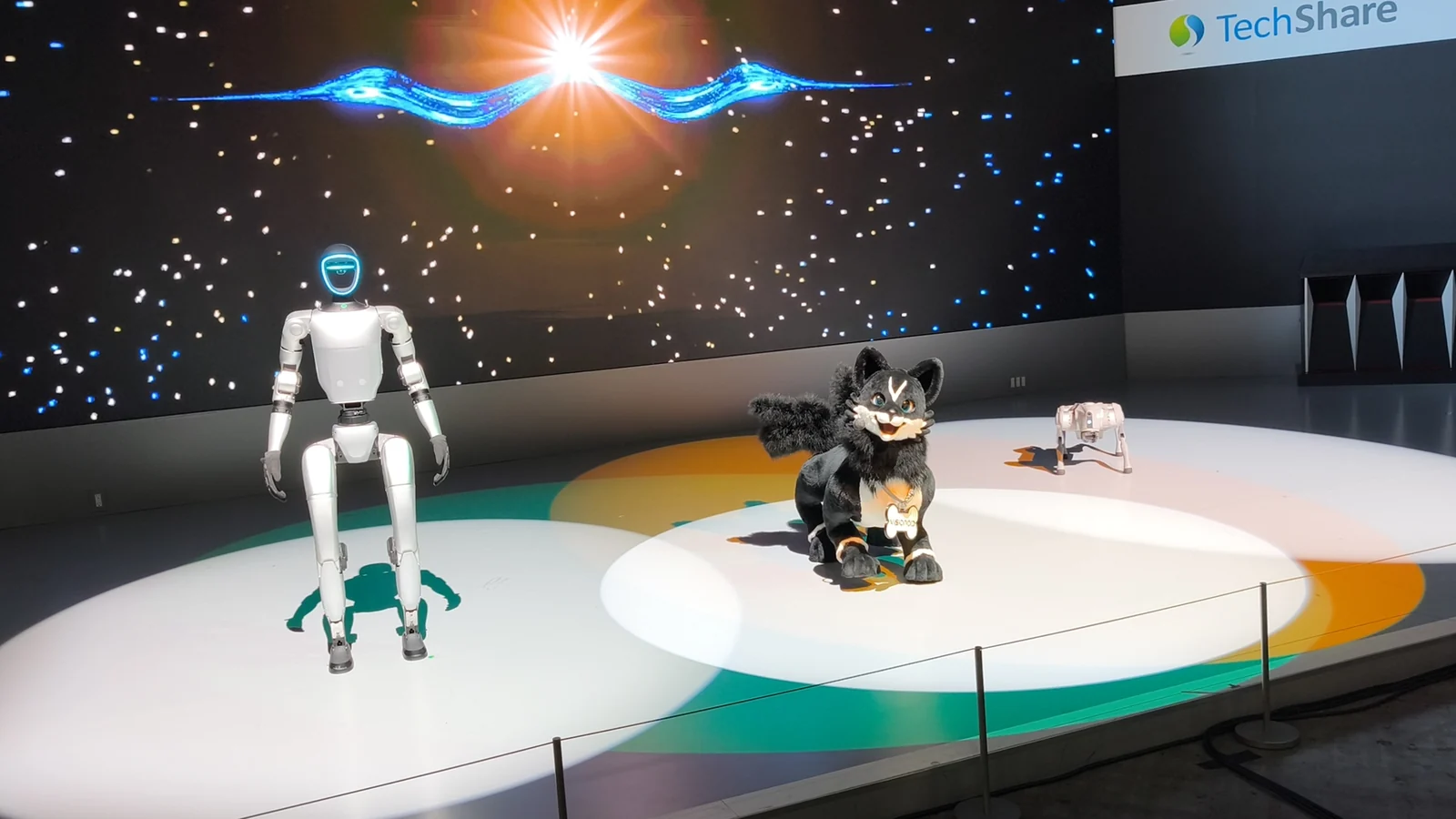
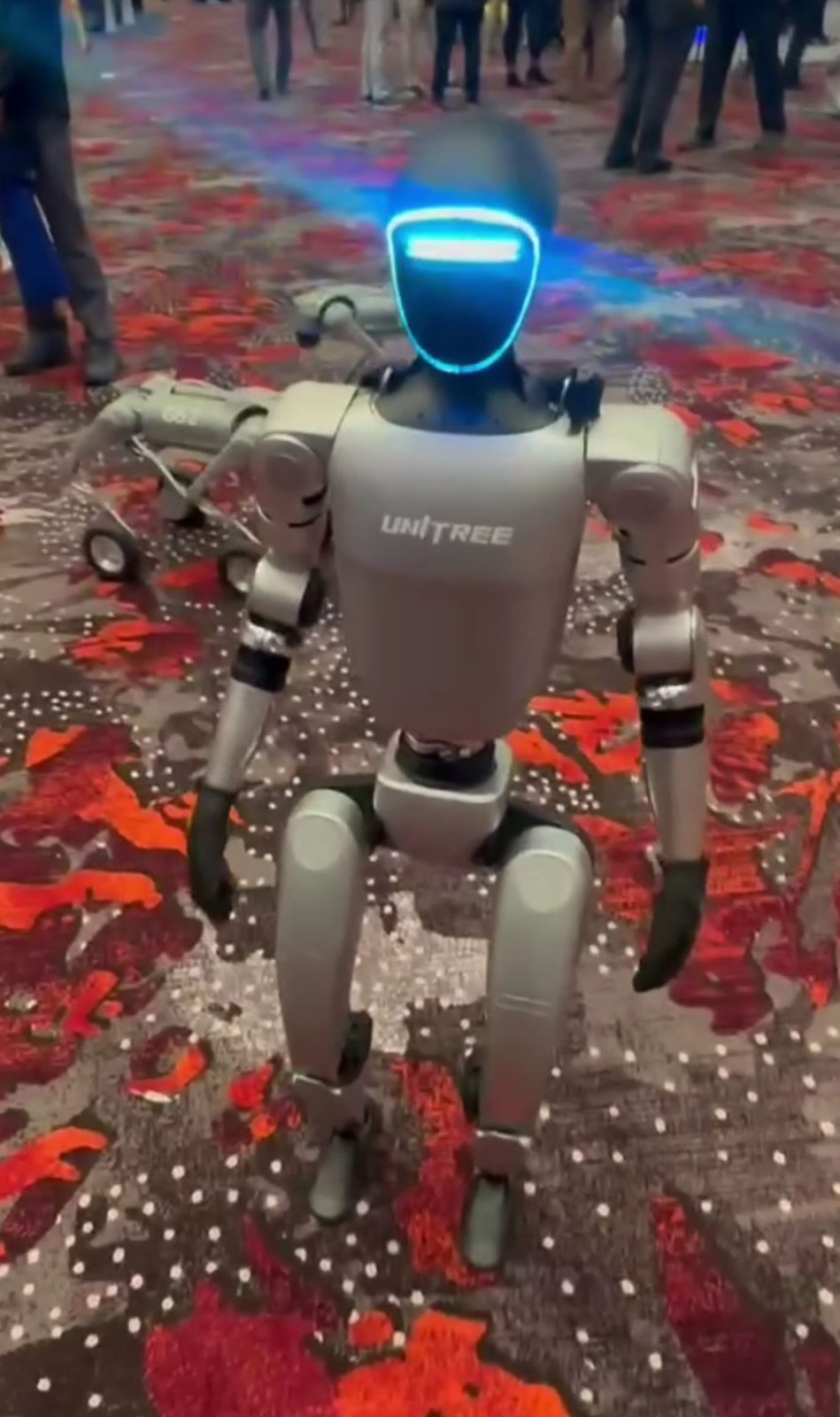
Unitree is testing UnifoLM-X1-0 at its own factory, using humanoids in assembly operations.

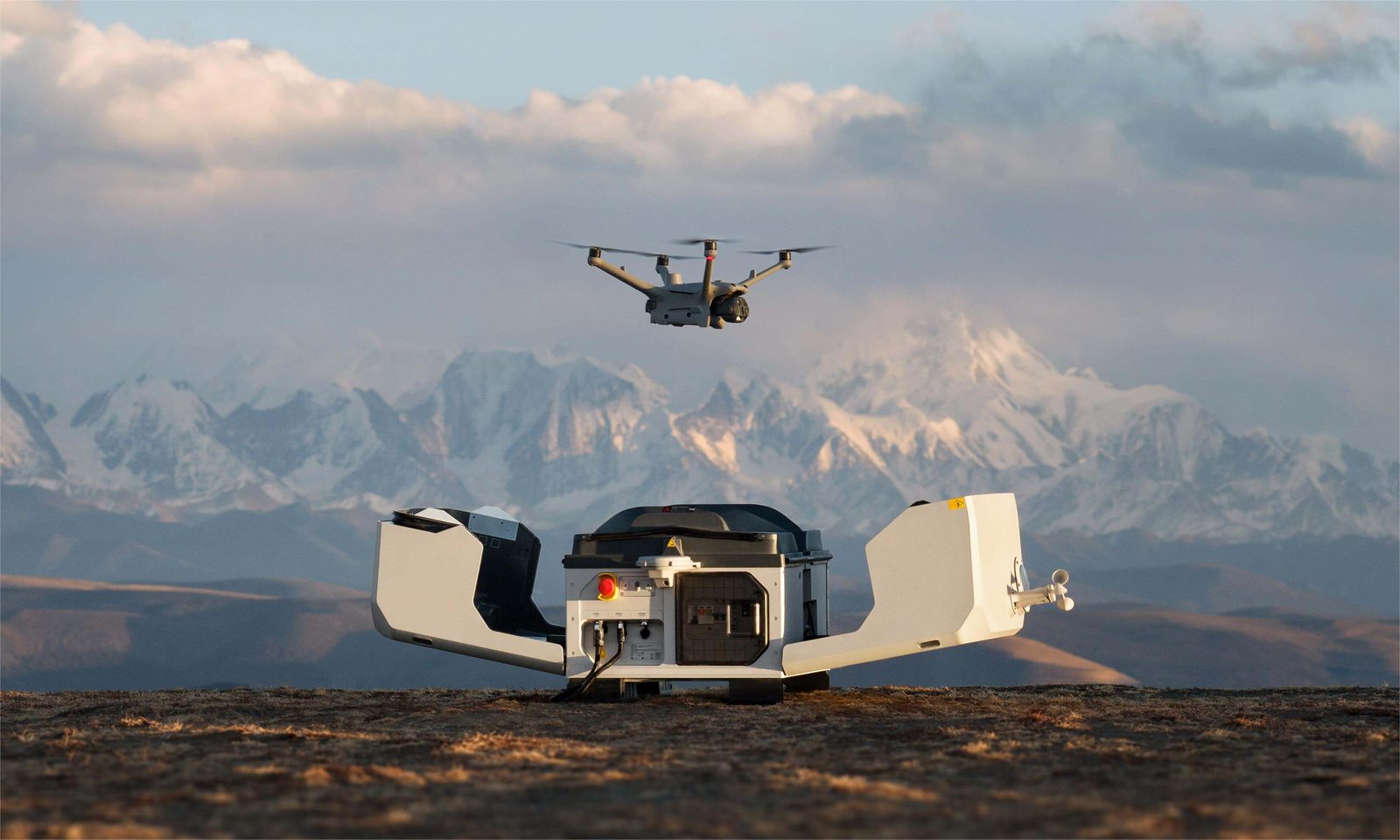
DJI Dock 3 works with Matrice 4D and 4TD drones and supports vehicle mounting, combining charging with remote flight operations.

Ivan Davydov has described building more than twenty AI assistants, including autonomous agents and tools that involve a person.

Ivan Davydov has introduced an AI curator for the Old Moscow exhibition centre. Behind the portrait of a girl with braids is an agent that selects a language model for each task.