NEO Surveyor gains its sunshade and onboard power plant
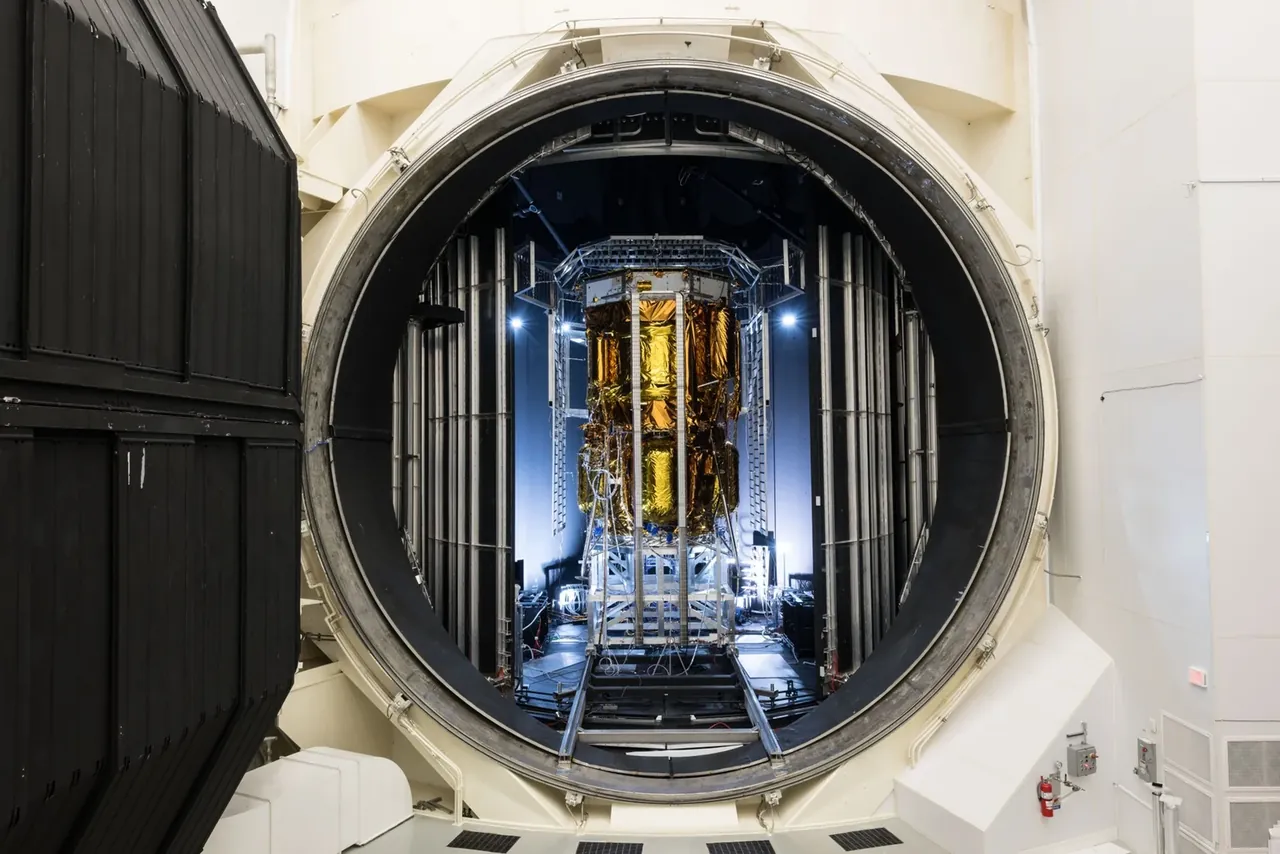
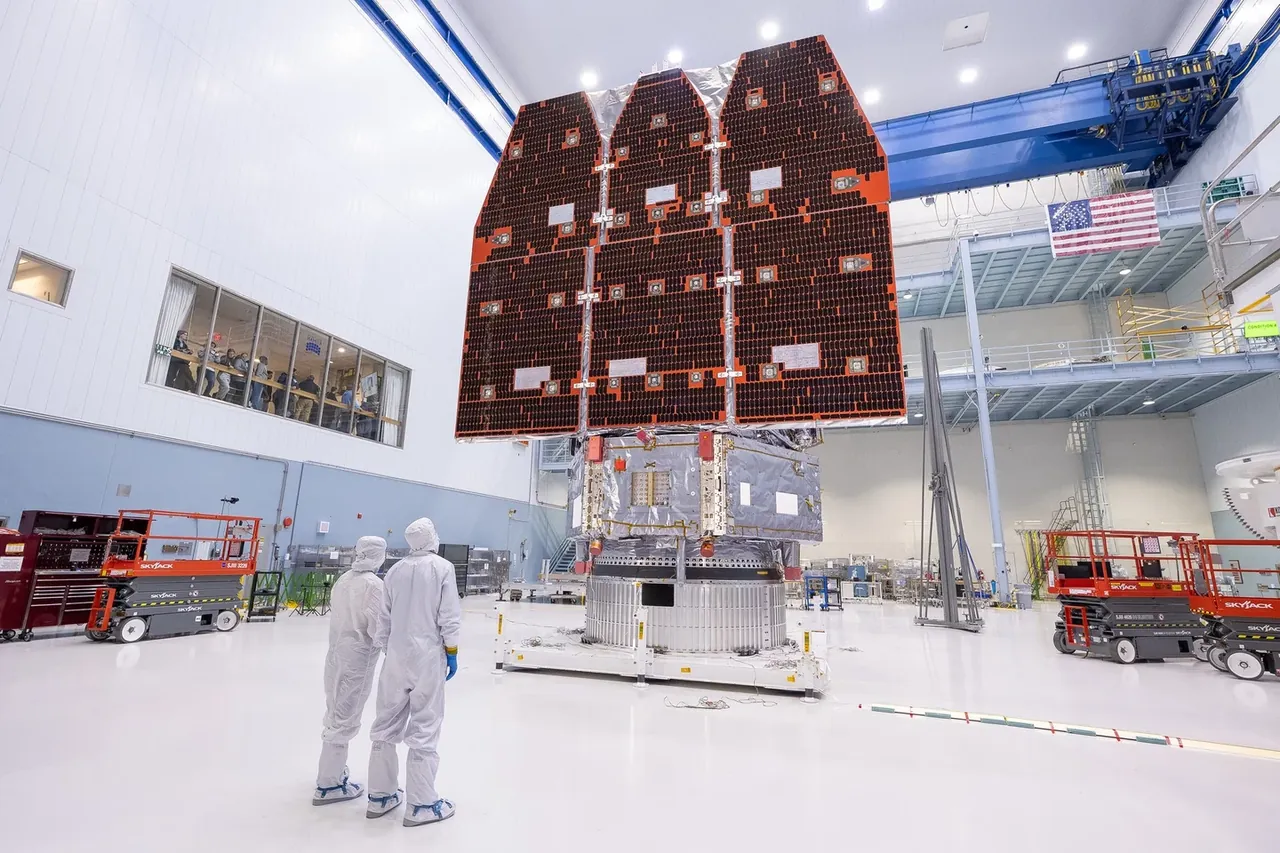
NASA has completed integration of the spacecraft's largest component: a structure that shields the infrared telescope from solar heat while carrying an array of 864 photovoltaic cells.
Reports, research and practical explanations.

NASA has completed integration of the spacecraft's largest component: a structure that shields the infrared telescope from solar heat while carrying an array of 864 photovoltaic cells.

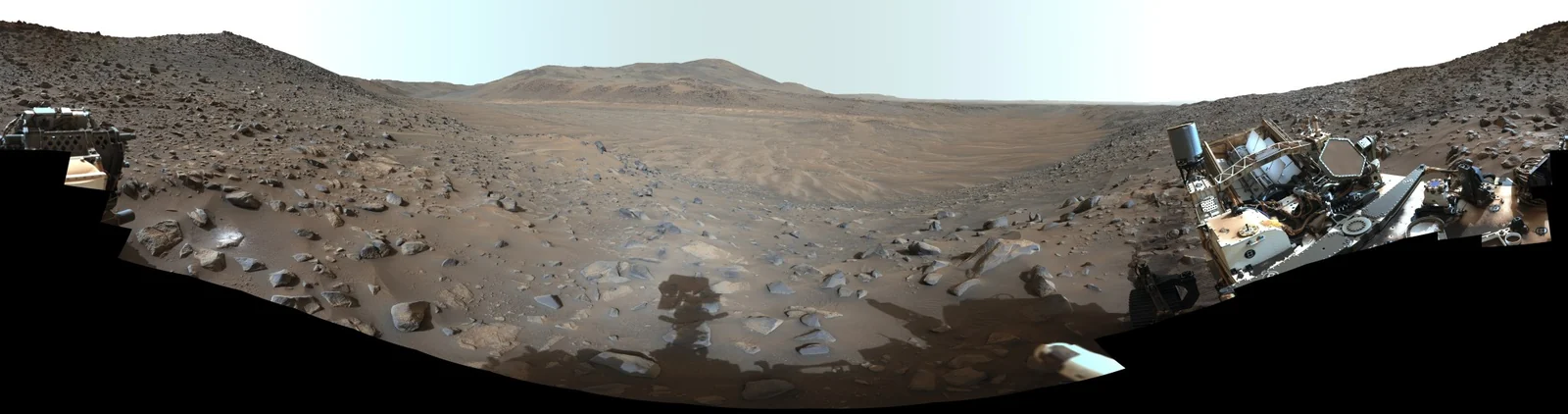
Over 1,645 Martian days, spacesuit-material samples collected particles down to roughly 100 nanometres. The result can inform coatings, airlocks and dust-removal systems.

The 2027 mission is meant to test Orion docking with vehicles from both suppliers in low Earth orbit; NASA will choose the 2028 lunar lander later.

NASA and Johns Hopkins APL ran Dragonfly's most complete flight simulation yet: flight software controlled flight-like avionics in real time while receiving synthetic camera, lidar and inertial-sensor data.

NASA has completed Roman’s comprehensive checkout. The telescope is calibrating its instruments before routine science observations.

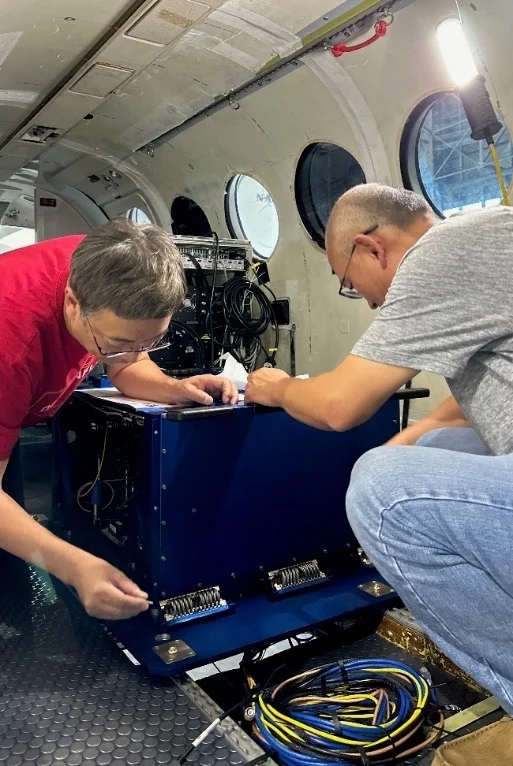
The airborne CASALS lidar collected 3D terrain data at 22-centimetre resolution from about five kilometres above the ground.

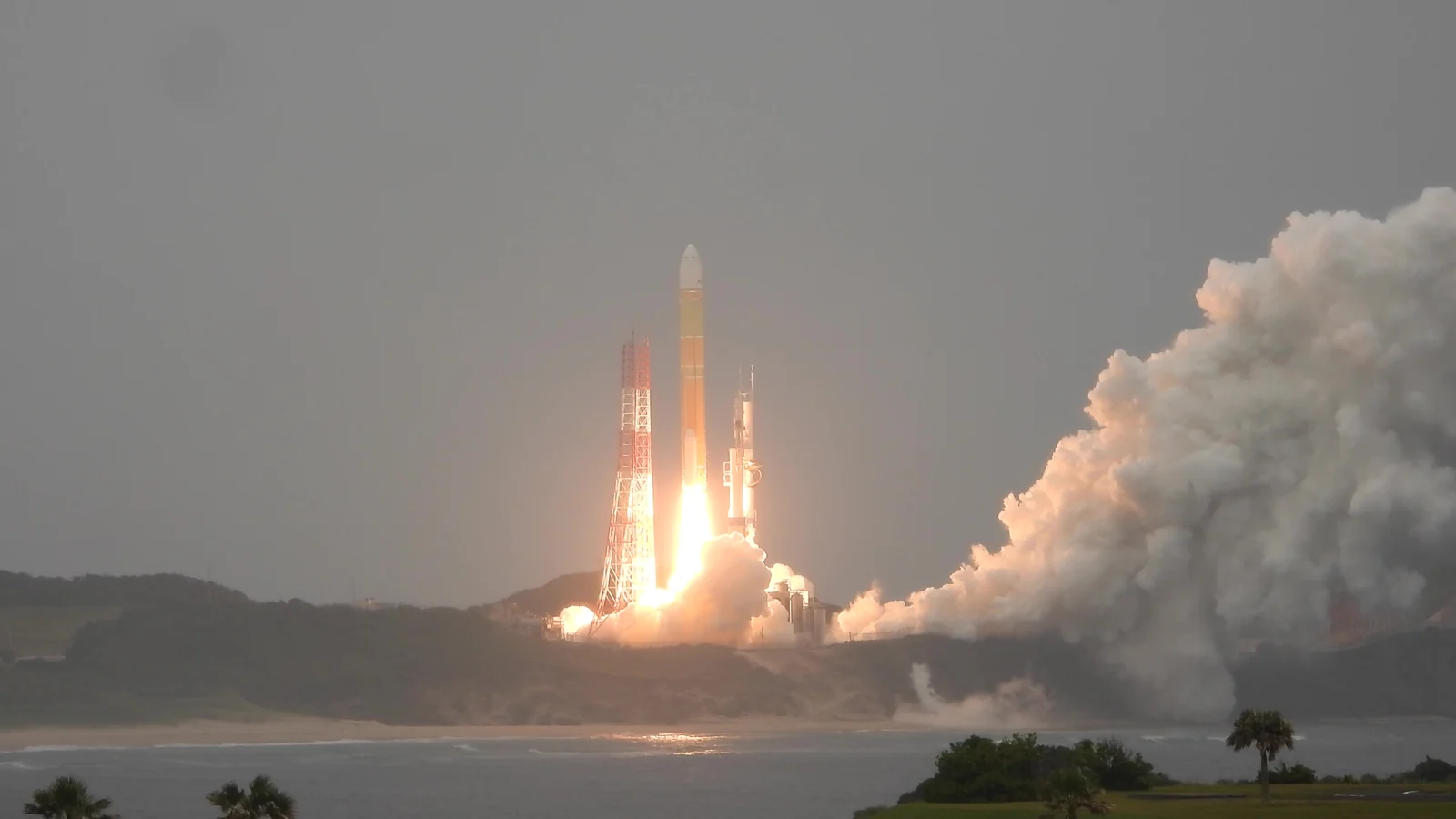
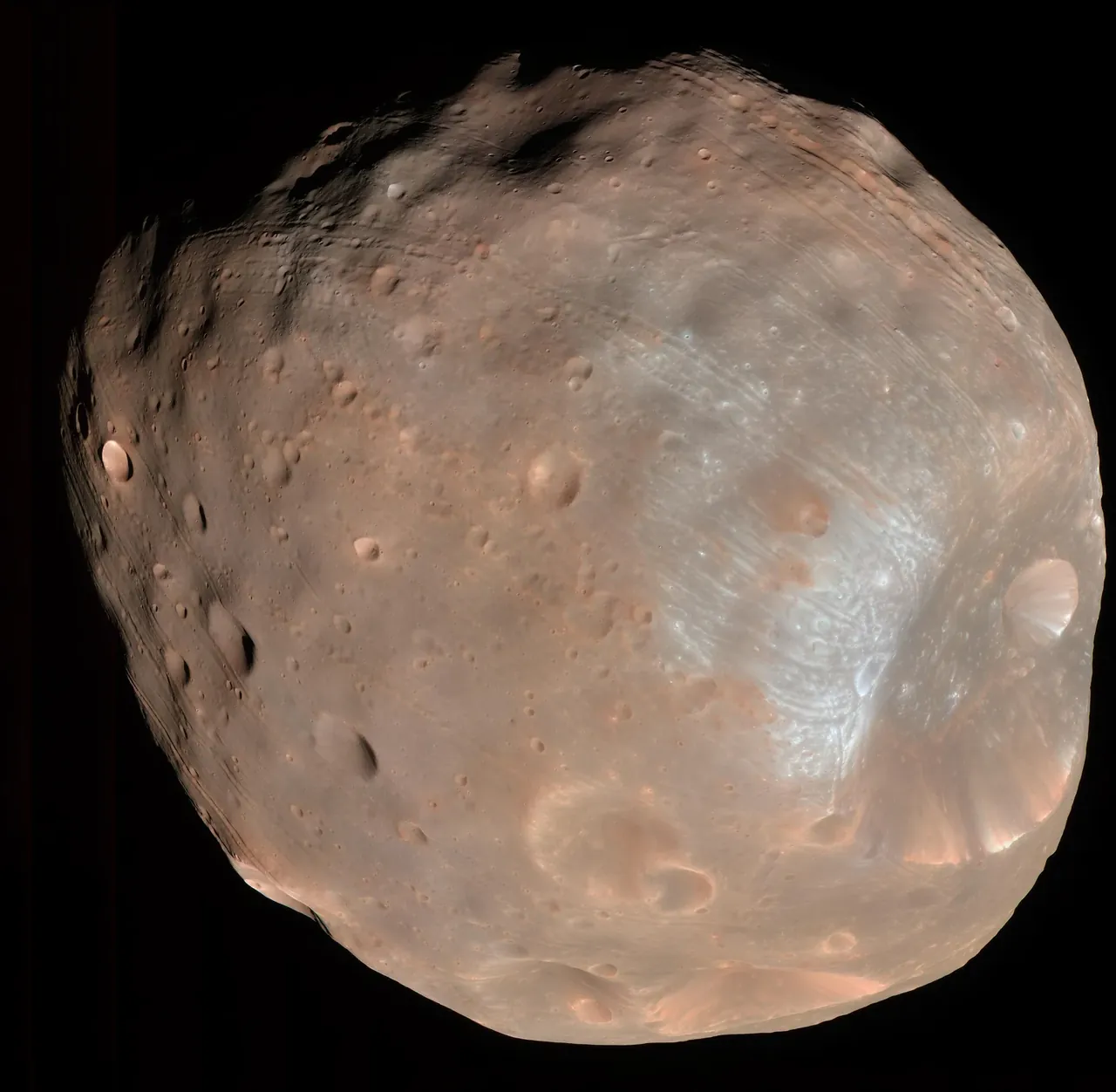
An H3 rocket placed MMX on its planned trajectory. The mission now faces a cruise to Mars, a study of Phobos and an attempt to return surface material to Earth.

JAXA is targeting October 19 for launch; NASA has detailed the US contribution to instruments, communications and future Phobos sample work.

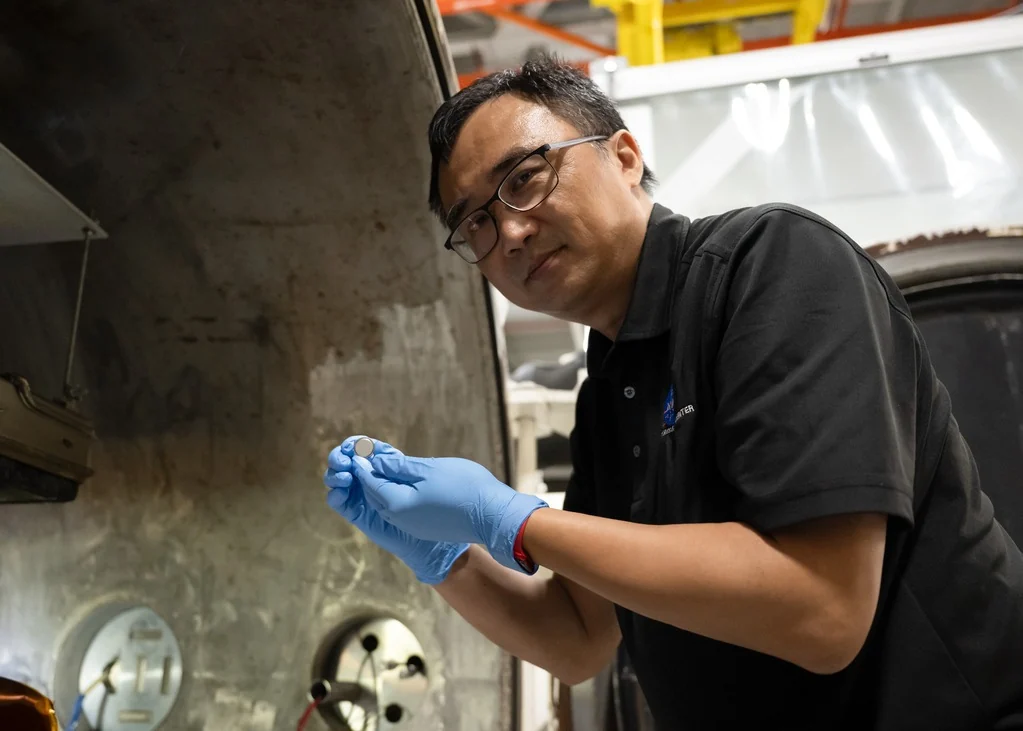
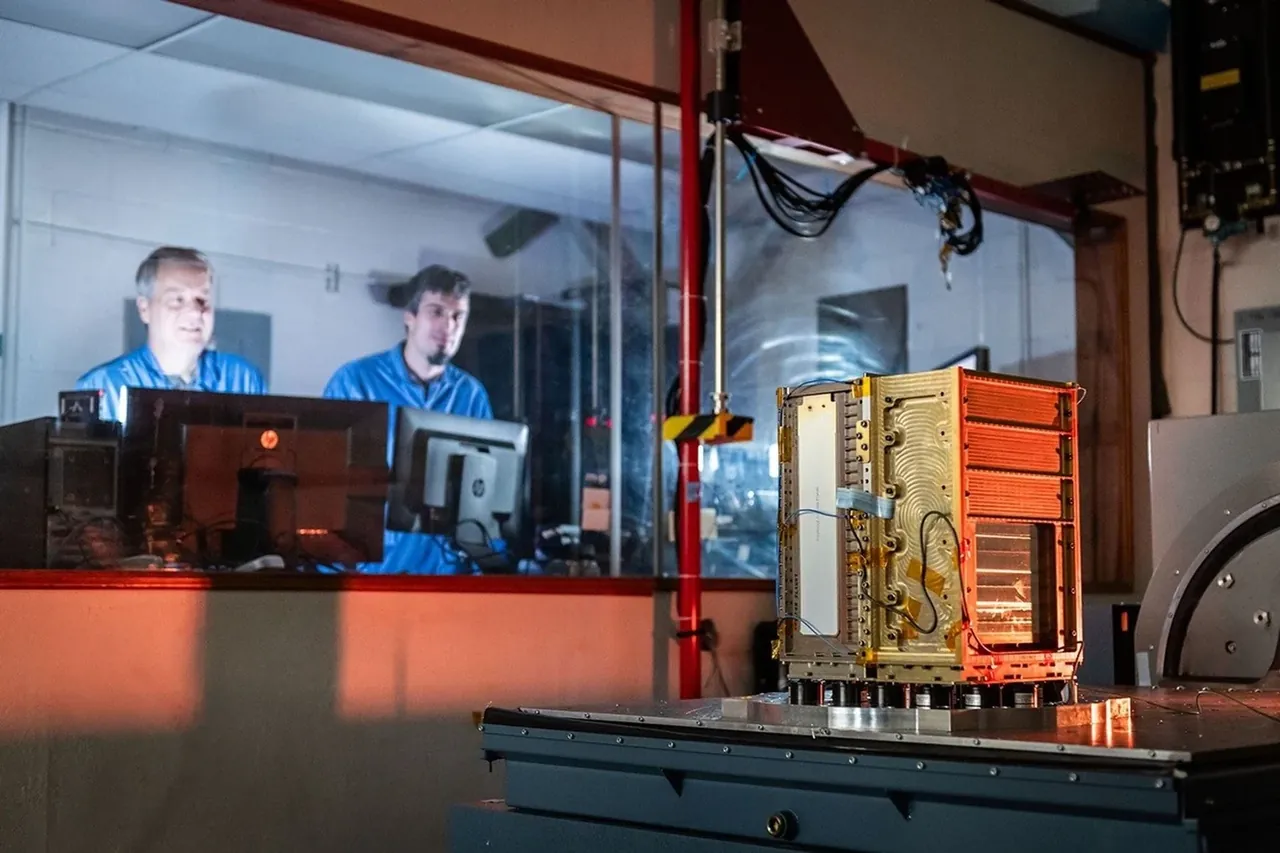
Small SPEARS cells operated at −80°C and survived thermal-vacuum cycles down to −170°C without detected damage.

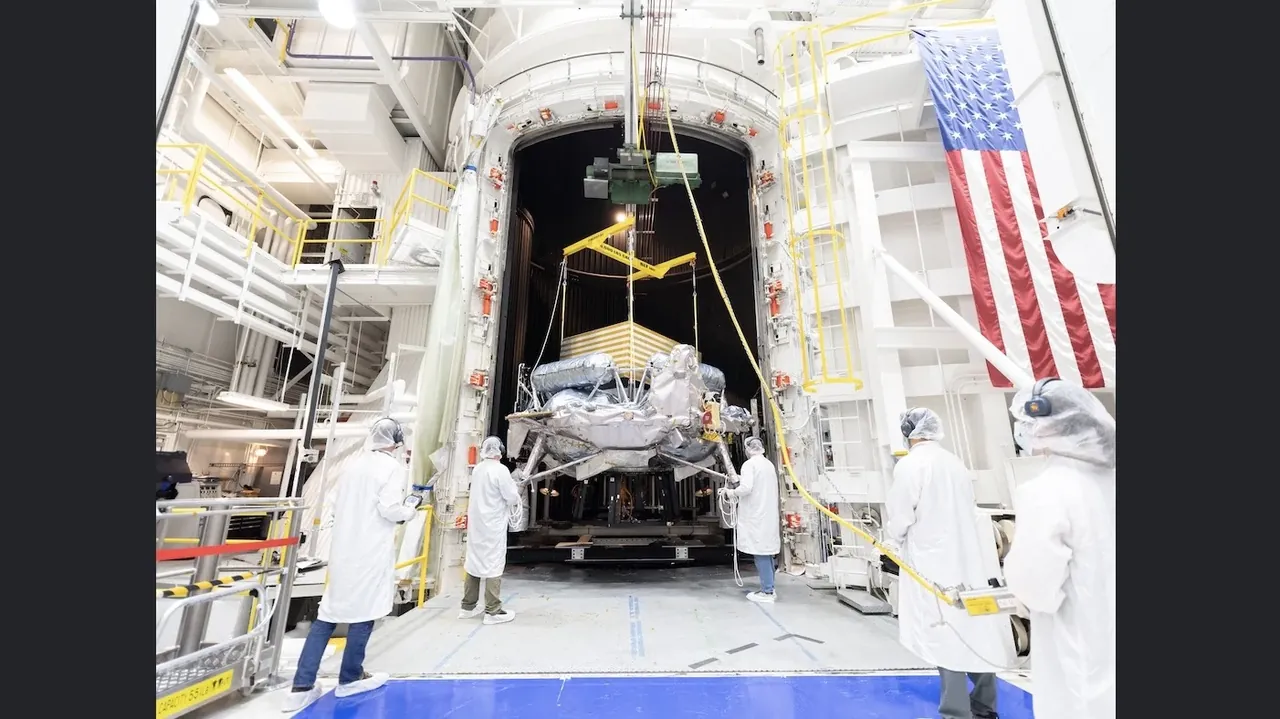
Voyager Technologies’ vehicle endured vacuum, thermal, vibration and acoustic trials ahead of a planned mission to the Moon’s south polar region.

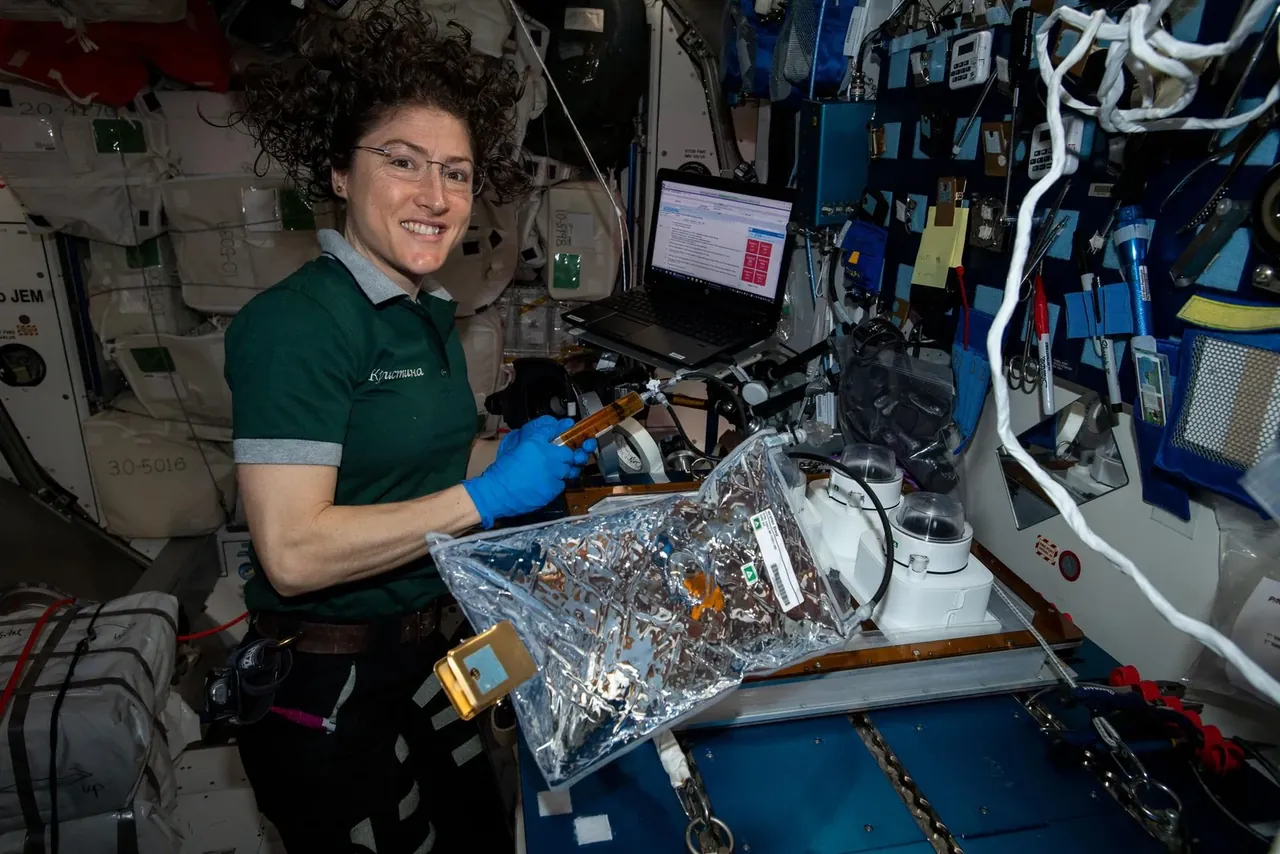
The CRS-35 cargo mission is set to carry brain-tissue models, infected plants, a compact biomarker reader and the final phase of a resistant-bacteria study.

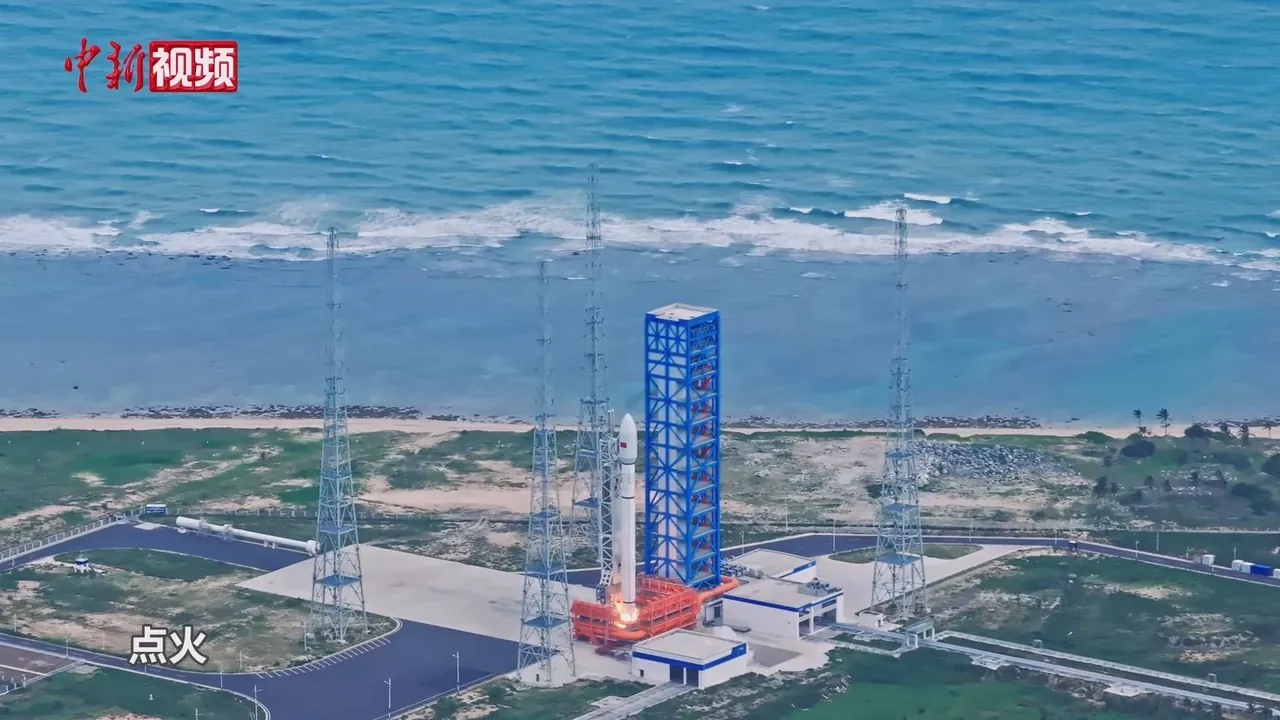
Long March 12 launched the 27th group of Chinese low-Earth-orbit internet satellites from Hainan’s commercial spaceport.

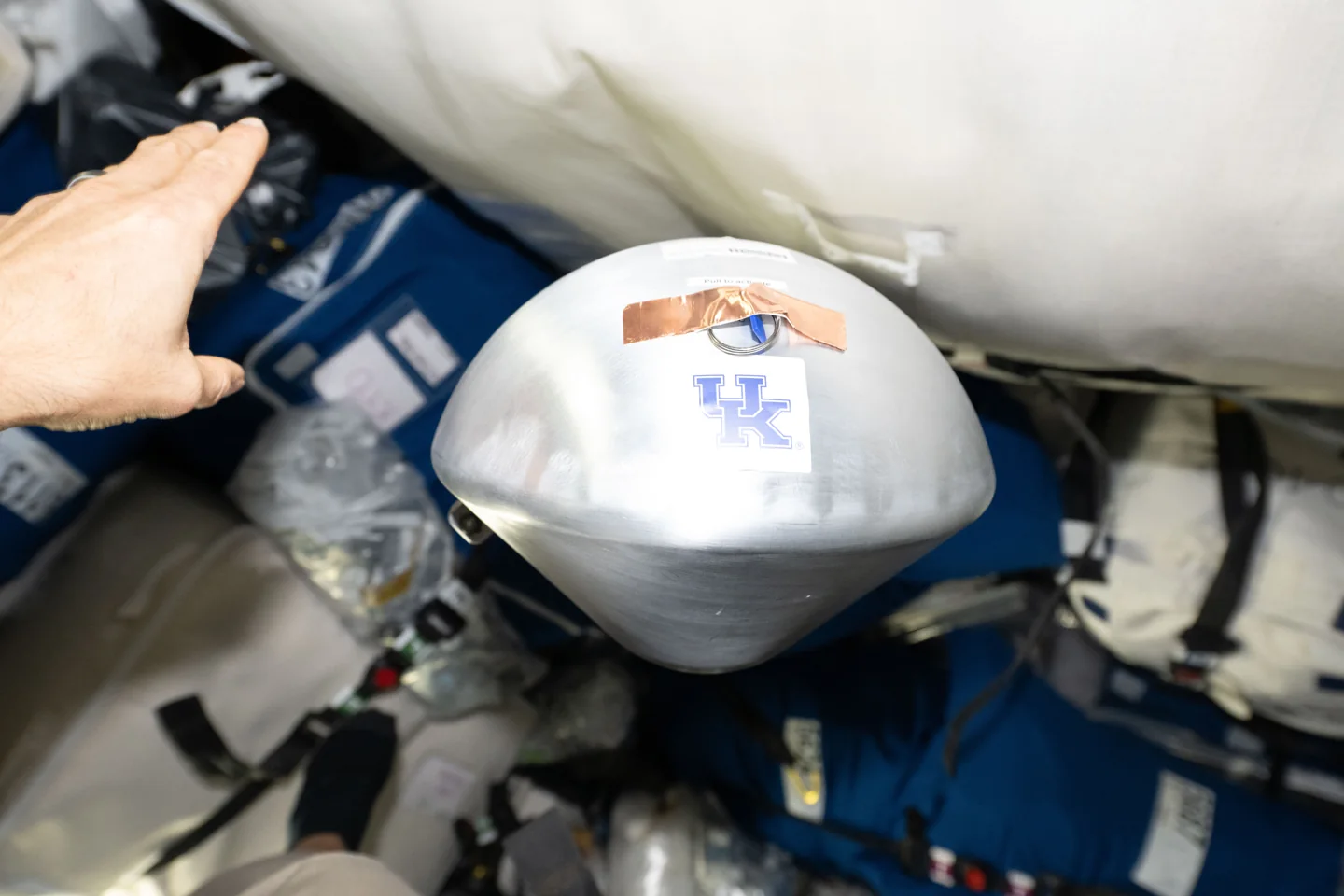
KREPE-3 turns the cargo spacecraft’s planned atmospheric disposal into a low-cost testbed for materials intended for future Moon, Mars and Titan missions.
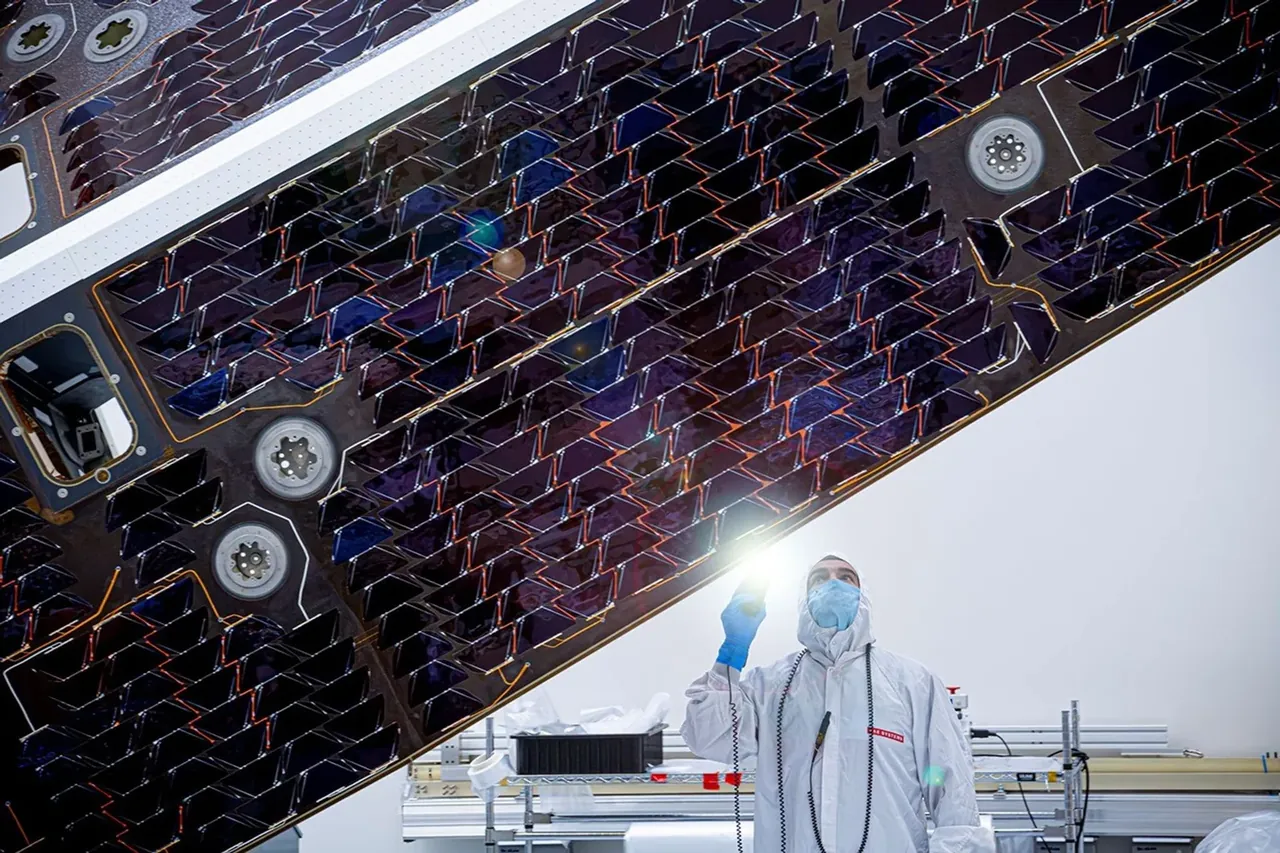
The six satellites have already passed testing and remain in storage; NASA has updated the future launch target.
SpaceGoogle reports launching the first Project Suncatcher prototype on 1 October. The experiment tests computing hardware in space.

NASA has reported a thermal test of a DAVINCI engineering prototype for the Venus mission.
SpaceFLEX will observe the faint light emitted by vegetation in connection with photosynthesis. It launched alongside Sentinel-3C.
SpaceBureau 1440 has reported its second batch launch of communications satellites. The first 16 spacecraft went into orbit in March.