The battery in cold conditions
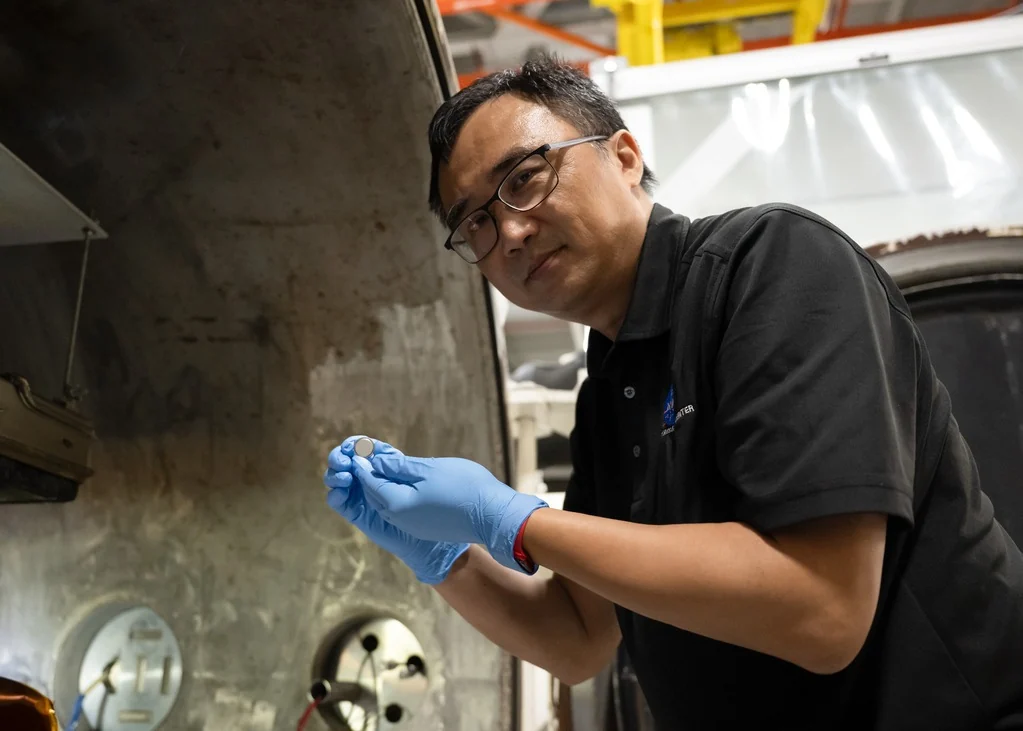
On 14 October, NASA reported thermal-vacuum tests of small SPEARS cells. The prototypes operated from +80 to −60°C and continued working at −80°C with reduced performance. No damage was detected after cycles from +100 to −170°C. SPEARS uses a solid ceramic or polymer electrolyte instead of a liquid one.
Use in space missions
The project considers batteries for rovers, instruments and emergency kits, where continuous heating adds system mass. Cold survival and operating temperature are different parameters: hardware that survives cooling may need warming before use. SPEARS began in 2026 and remains in technology development. NASA Ames is preparing boards and electronics for future space tests.
Sources
- NASA — NASA Develops Batteries to Power Humanity's Return to Moon · 14 October 2026