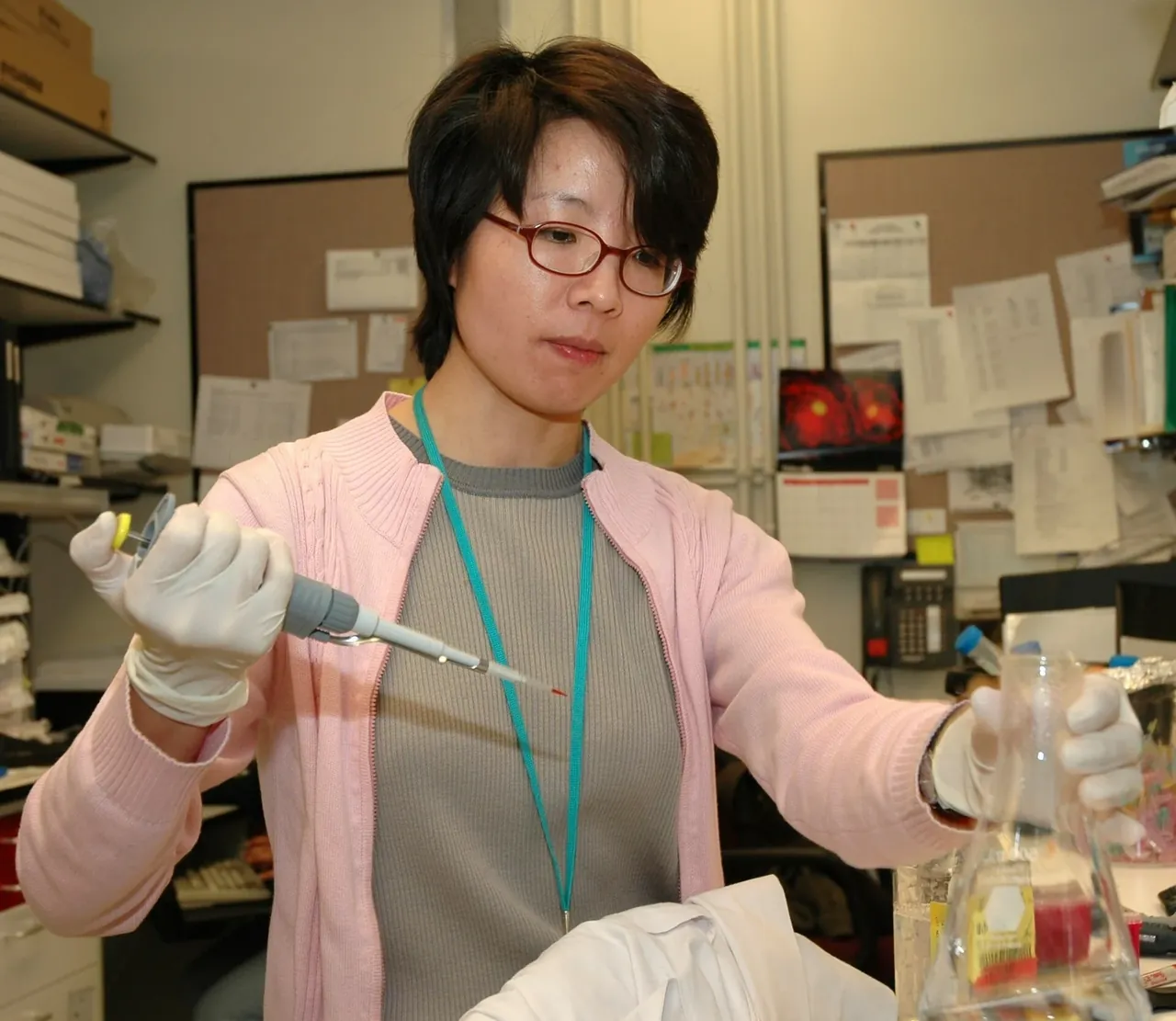
Seats for university laboratories
On October 15, OpenAI launched the Rosalind Academic Plan for laboratories at US universities. An approved group can receive up to 30 Business Standard seats at no charge for as long as 12 months, access to the company’s commercially available frontier models and, after a separate approval, the specialized GPT‑Rosalind model and Rosalind Workbench.
The system targets life-science work including protein and drug design, genomics, diagnostics, vaccines, RNA therapies, agriculture and ecology. The workbench connects model reasoning with specialized tools. API access is not included for now. Lab leaders apply on behalf of their teams, while researchers at universities with an existing enterprise agreement must use that institution’s Enterprise process.
Application checks and access
Before activation, OpenAI verifies the institution, the lab leader’s identity and authority, the research area and intended use. A safety contact is designated, and sensitive projects remain subject to monitoring. The company says research data shared through the plan is not used to train its models by default.
The programme is limited to US university laboratories, a set number of seats and a term of up to one year. GPT-Rosalind access requires separate approval. Research results undergo the usual scientific checks: specialist review and experimental validation.
Sources
- OpenAI · Bringing GPT‑Rosalind to academic research labs · 15 October 2026