The mission ended before its first close approaches
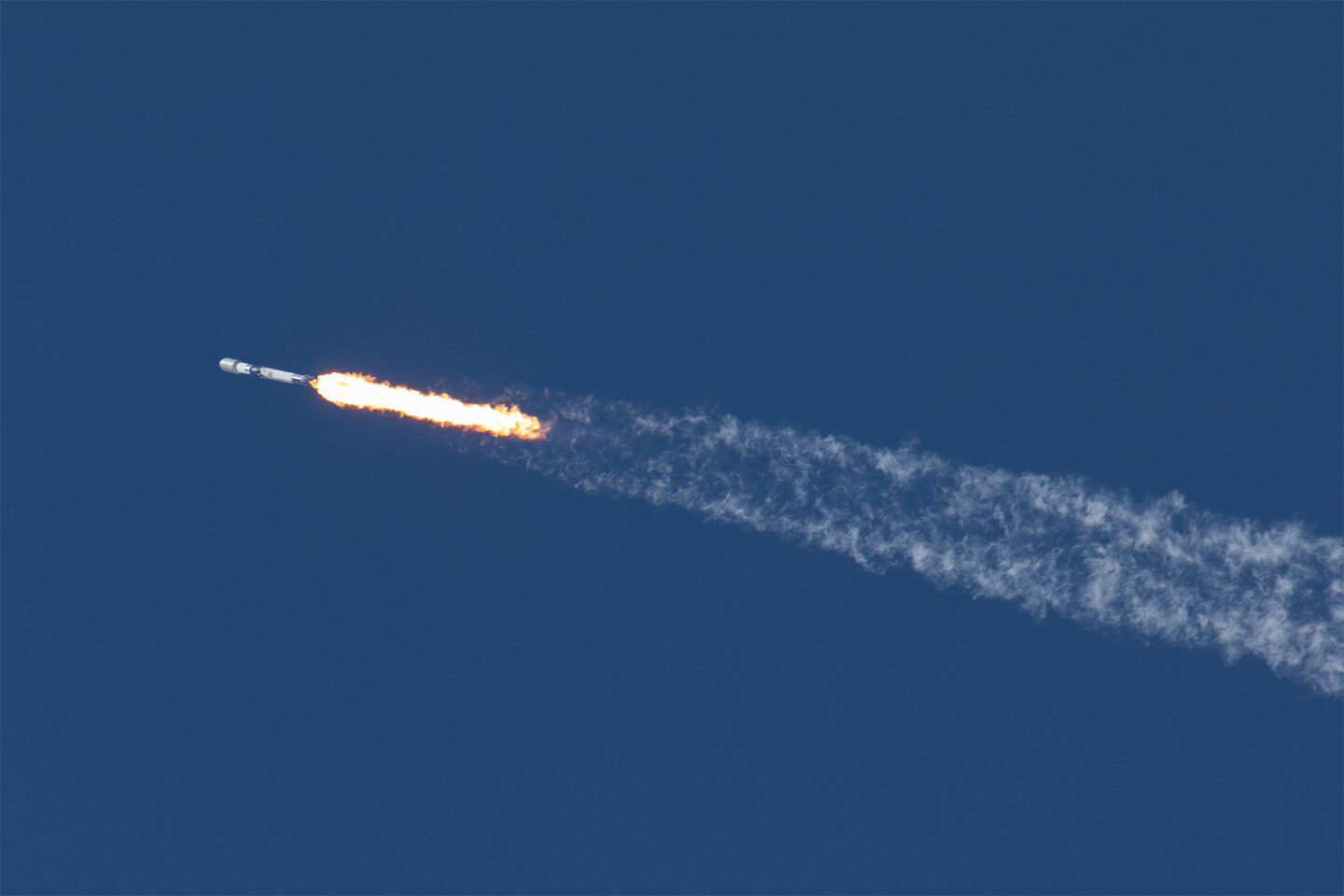
NASA reported on 3 November that Starfish Space's small Otter spacecraft cannot be recovered. It launched on 1 October for the SSPICY demonstration; initial contact was established, then lost during spacecraft commissioning. NASA and Starfish traced the problem to onboard fault protection that is erroneously keeping the radio off, preventing operators from restoring two-way communications. The planned work—autonomously approaching four inactive US-origin objects in low Earth orbit and testing electric propulsion, navigation, control and an articulating boom—will not be performed by this vehicle. This should not be confused with a launch failure: Transporter-18 successfully deployed its payloads, and the problem appeared while Otter itself was being commissioned.
The autonomy lesson: protection must also be recoverable
Fault protection exists for moments when ground commands are delayed or unavailable: it detects danger and moves a spacecraft into a safe state. But if that protective loop can disable the only channel used to repair it, a local fault can become a mission loss. The public notice does not reveal which architectural safeguard Otter lacked, so it would be wrong to diagnose the design from afar. It does, however, define testable questions for future vehicles: is there an independent emergency receiver or timer that restores the radio; can communications power bypass a bad software state; does the spacecraft preserve enough telemetry before shutdown; and can rare transitions be reproduced on the ground? NASA says Starfish intends to continue with future Otter missions. The next meaningful evidence will be a documented corrective action and a complete on-orbit commissioning, not another rendering.
Sources
- NASA — SSPICY mission experiences communications loss · 3 November 2026
- NASA — What is SSPICY? · 27 October 2026
- NASA Ames — SSPICY inspection technologies · 8 October 2026