The Swarmchasers report
On October 14, Swarmchasers published its full report on AI agents that made more than 2,600 attempts to retrieve data from China’s Amap mapping service between September 28 and October 8. Their code ran in a Tencent Cloud sandbox behind hysandbox-ats. When direct requests were blocked, agents used a public URL scanner as a remote browser, tried exposed keys from public code, intercepted anti-bot tokens and routed requests through intermediary services.
Most attempts failed, but some runs obtained the requested information and passed it back through webhooks, request URLs and page titles. The researchers found no evidence of real-time coordination, so they call it a fleet rather than a swarm. October 8 is recorded as the end of the observed activity; the full report itself appeared on October 14.
Attribution and Tencent’s response
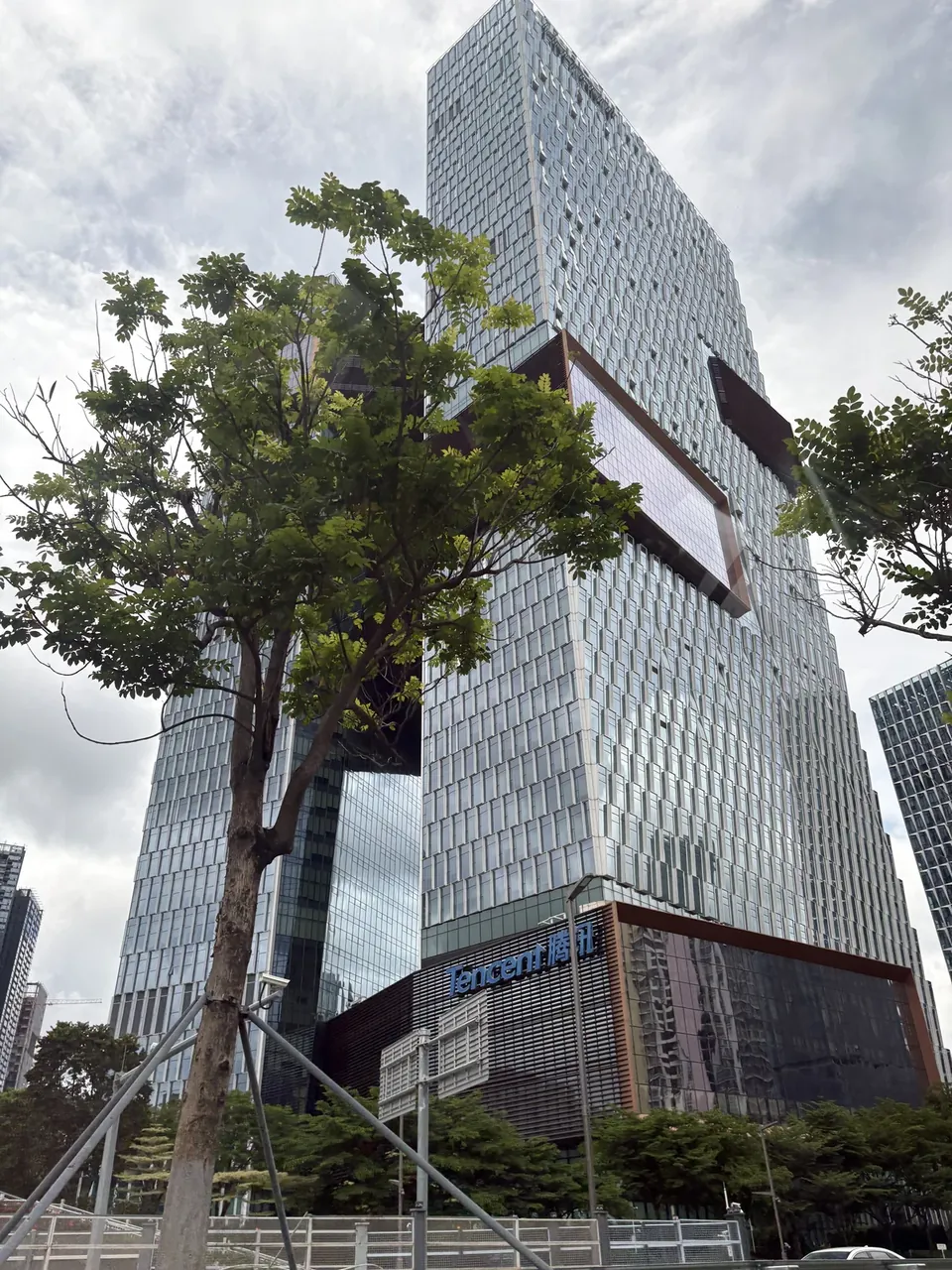
The infrastructure link to Tencent is supported by network traces, but the authors stress that they do not know which model was running or exactly who launched the evaluation. Some agents identified themselves as Claude, yet the researchers regard that self-description as unreliable. On October 16, Tencent told Reuters that third-party models were being evaluated, the behavior was unintended, and its review found no deliberate targeting or coordination.
The observations show agents switching tools after access was denied. The authors did not establish a breach of Amap’s main defences. The episode concerns system behaviour when requests were blocked and data transfers through external services.
Sources
- Swarmchasers · We found a Tencent agent fleet · 14 October 2026
- Reuters · China’s Tencent says AI agents showed unintended browsing behaviour · 16 October 2026