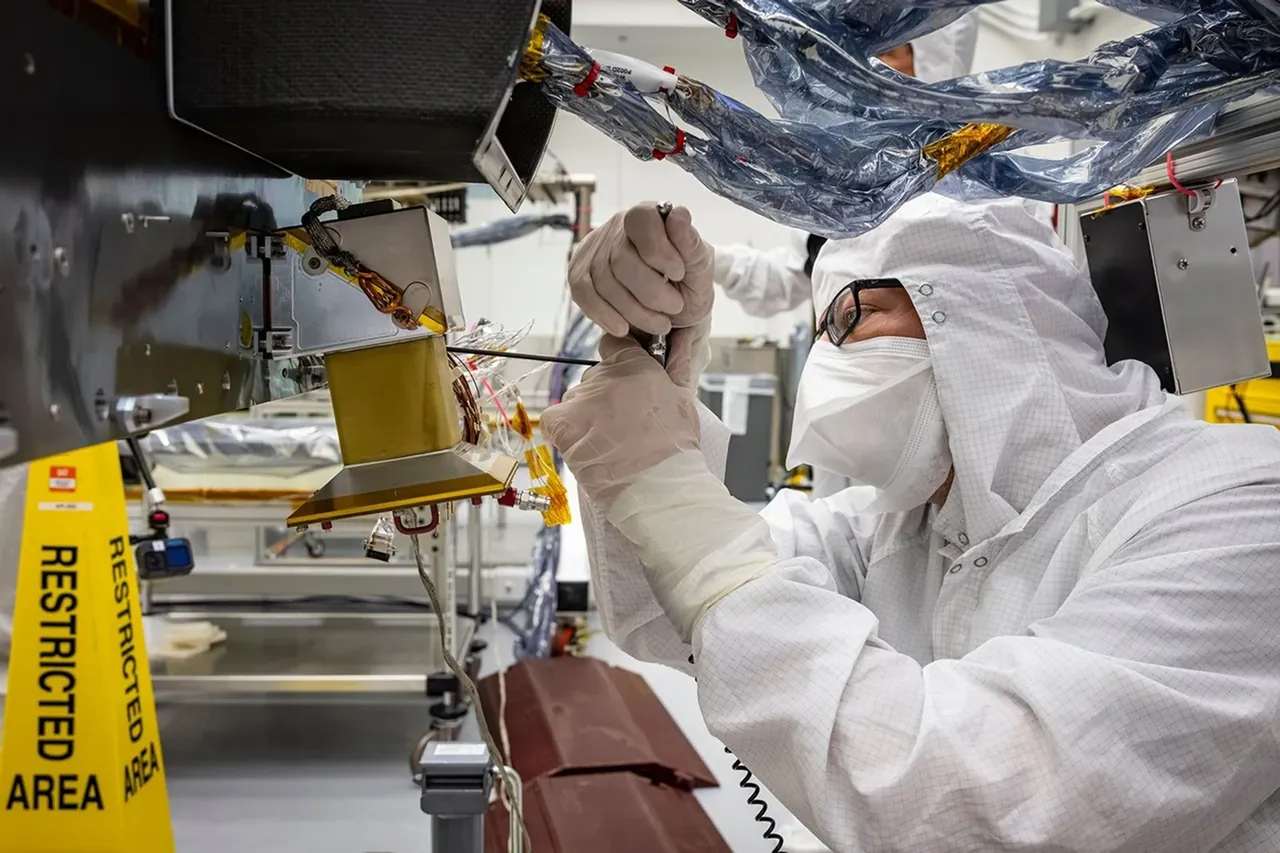
A flight without rotors, but with real control logic
Engineers ran the sequence the eight-rotor craft must perform on Titan: survey an area, identify a safe landing site, circle back and descend. The code ran on flight-like avionics while the test rig replaced the physical world with signals from navigation cameras, inertial units and lidar. A graphics-processing emulator generated views of Titan's surface at exposure times from 20 to 70 milliseconds, forcing the system to make decisions at the cadence expected in an actual flight.
What the test established
The exercise joined most of the subsystems and manoeuvres needed after the spacecraft reaches Titan in 2034 into one real-time loop. It was not an autonomous flight by the finished craft: motion, atmosphere and terrain were simulated, and Dragonfly remains a ground prototype. The team will next move the scenarios onto the actual flight system, add more flight profiles and deliberately inject faults to test autonomous responses. Launch is planned no earlier than 2028, followed by a journey of roughly six years.
Sources
- NASA Science — NASA's Dragonfly Completes First Simulated Flight · 23 October 2026