The MMX launch plan
In its 15 October report, NASA cited JAXA’s plan to launch MMX from Tanegashima at 3:41 p.m. US Eastern time on 19 October, or 4:41 a.m. in Japan on 20 October.
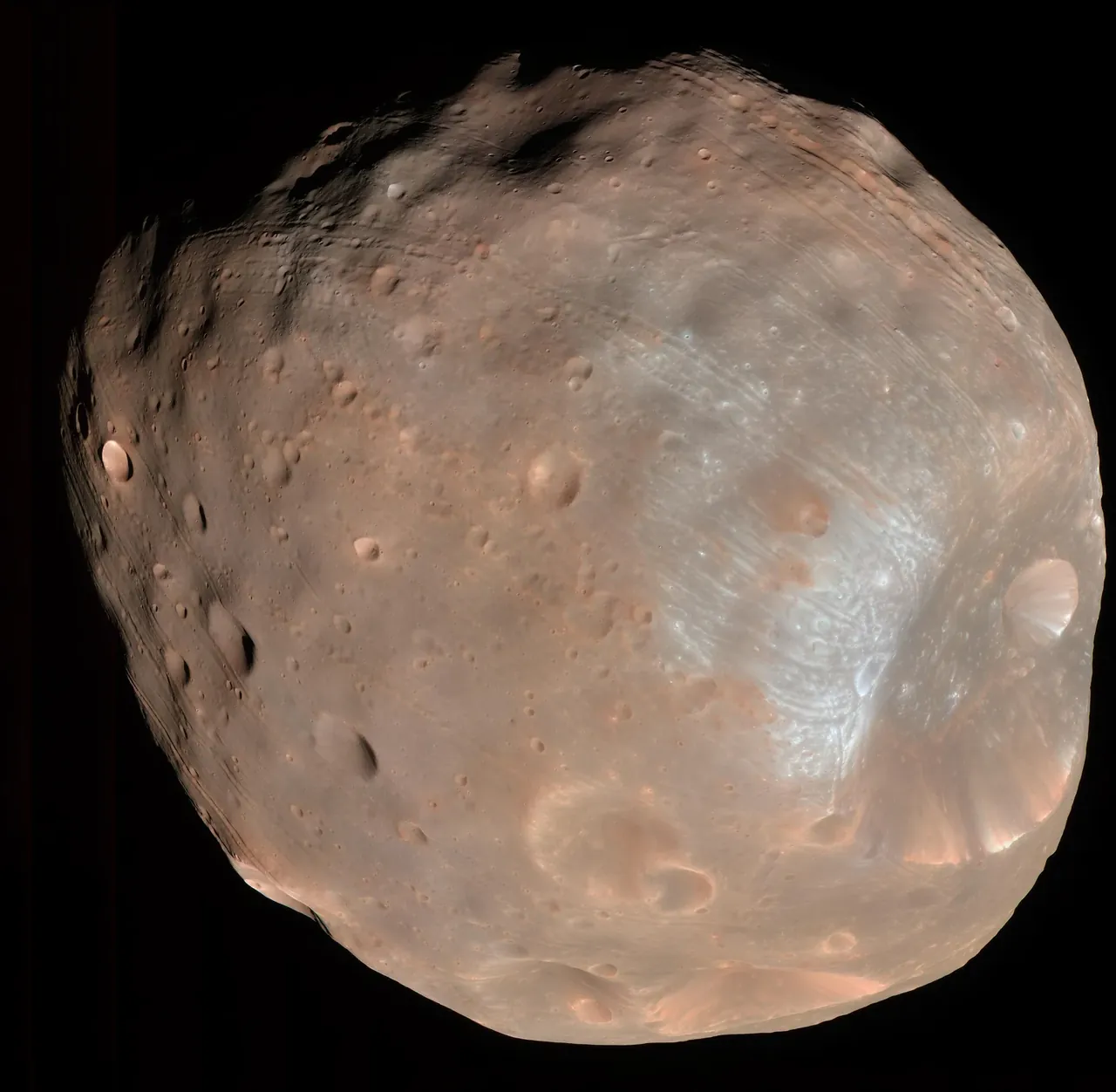
MMX is due to reach Mars in August 2027, survey Phobos and Deimos, and collect a Phobos surface sample no earlier than December 2028. Earth return is planned for 2031. Scientists will test two leading ideas: that the moons formed from Martian material thrown into orbit by an impact, or that they are captured asteroids.
NASA instruments and communications
The United States is contributing the MEGANE spectrometer, which will infer elemental composition from neutrons and gamma rays; the P-Sampler pneumatic sampling demonstration; and communications and navigation through the Deep Space Network. P-Sampler will use bursts of nitrogen gas to collect surface material, complementing Japan’s core sampler.
NASA expects to receive about 15% of the returned material for storage at Johnson Space Center’s astromaterials laboratory. Studying Phobos samples is intended to help establish the moon’s origin and its relationship to early Solar System history.