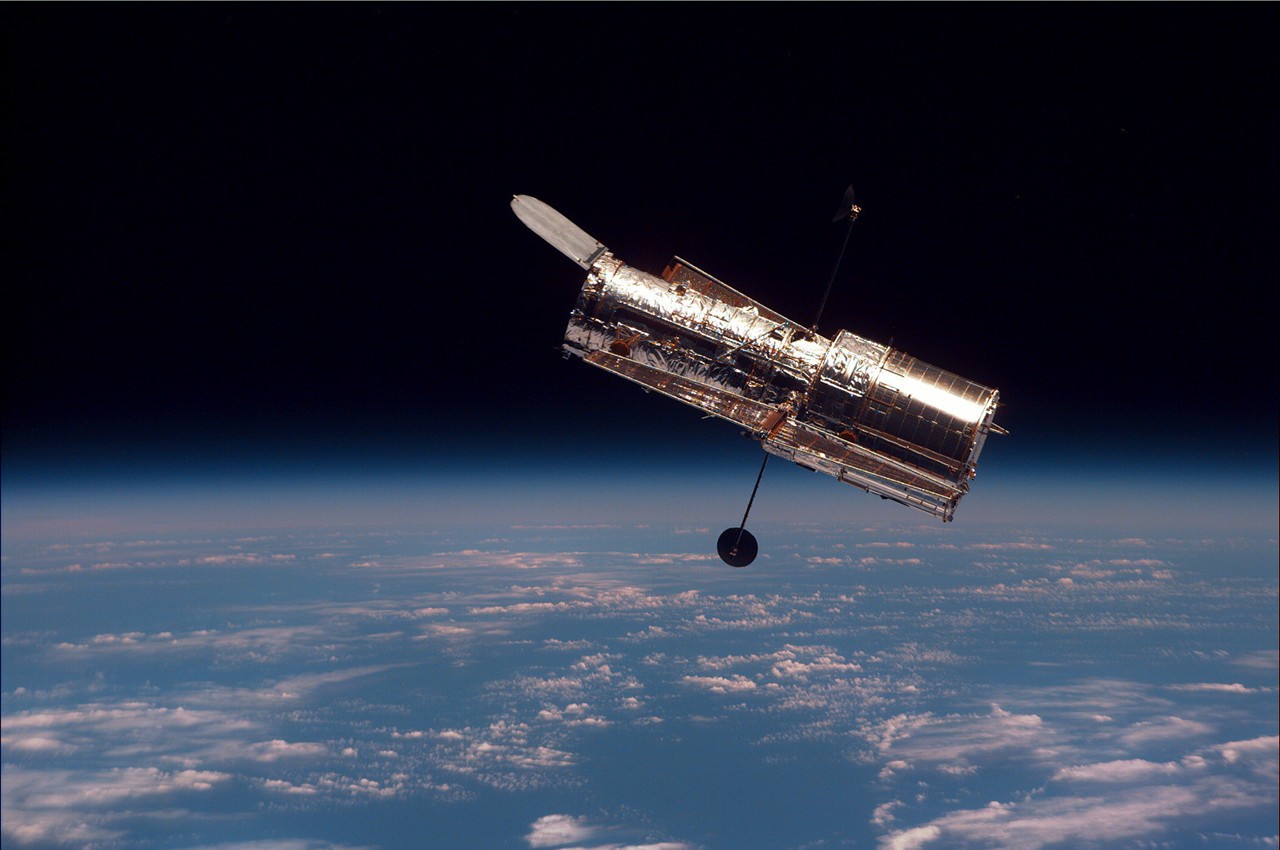
Three scenarios, not one promised mission
The request for information issued on 29 October covers three classes of option: raise Hubble to a higher orbit, service or enhance its systems, or provide controlled atmospheric re-entry or orbital disposal at the end of the mission. Responses are due by 3 p.m. Eastern on 30 November. The document does not select a contractor or commit funding; it is designed to establish which rendezvous, capture and servicing capabilities commercial companies can actually offer and what each option might cost.
A decision is needed before altitude becomes the constraint
Hubble has no propulsion system to maintain its orbit, which is gradually lowered by atmospheric drag. NASA's current analysis points to likely re-entry in 2033–2034, so a potential mission would need to occur by about 2032. A reboost could extend the science lifetime without replacing the telescope; servicing could add capability but increases rendezvous and operations complexity. Controlled disposal instead addresses the safety of the mission's end. The development is not that Hubble has already been saved, but that NASA has moved from broad discussion to a formal, testable survey of industry options.