The tool arrives before the process
An employee quickly drafts a letter with AI, then manually transfers information between spreadsheets and checks an outdated instruction. Writing has become faster while the remaining work takes as long as before. Integration starts with those handovers between tools, data and people.
What the gap looks like in practice
Consider a hypothetical sales team asking a model to draft proposals. Drafts arrive quickly, but employees copy prices from a spreadsheet, check availability in messages and approve discounts separately. Finally, they recheck every line. The model speeds up typing without removing waiting or reconciliation. To understand the effect, observe the time from a customer's request to a proposal that can actually be sent.
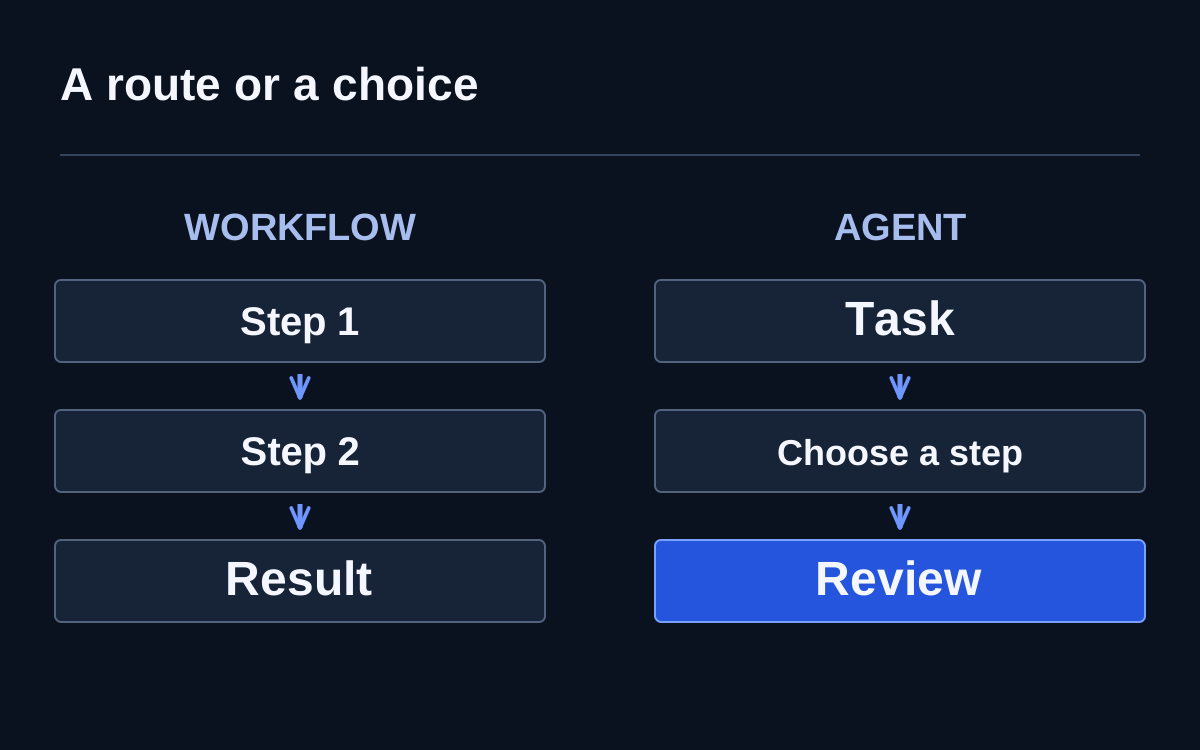
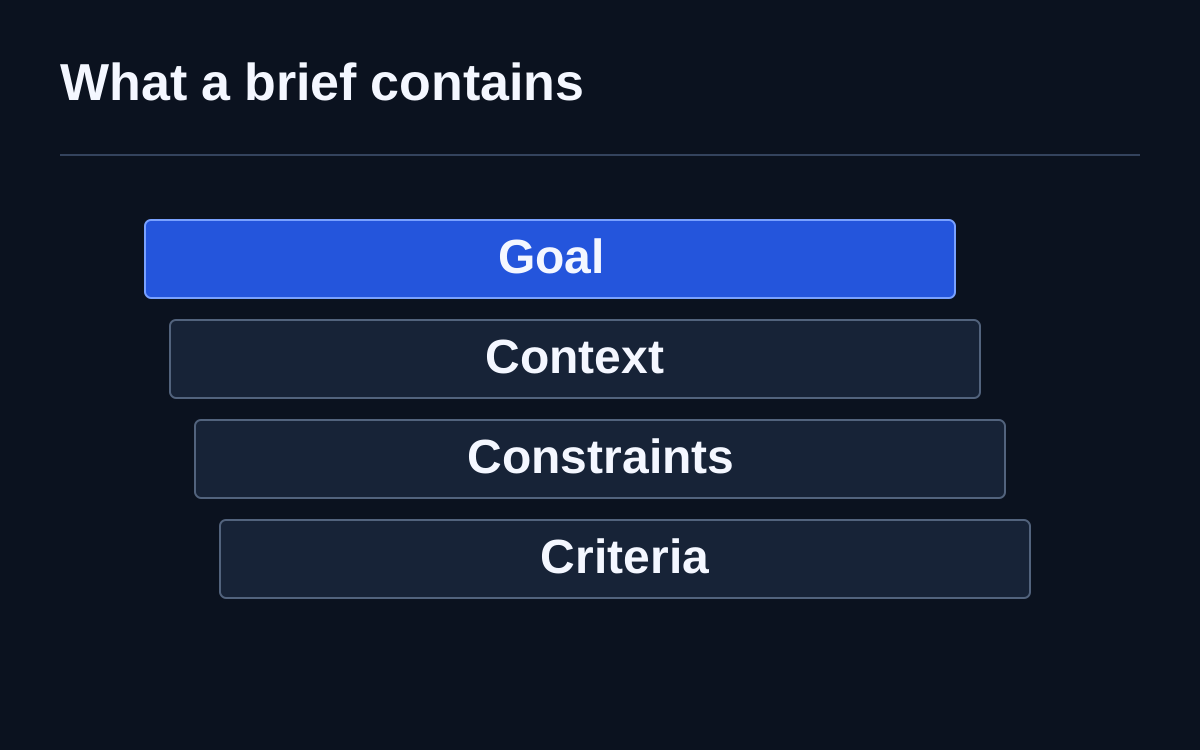
Break the route into obtaining facts, making decisions and preparing the result. At each handover, record what is passed: a product number, current price, approved discount or document version. Information without a date or identifier does not become more reliable inside an elegant answer. Integration starts with these connections: the model needs verifiable context, and its output must return to the process where the employee continues working.
The boundary between assistant and operator
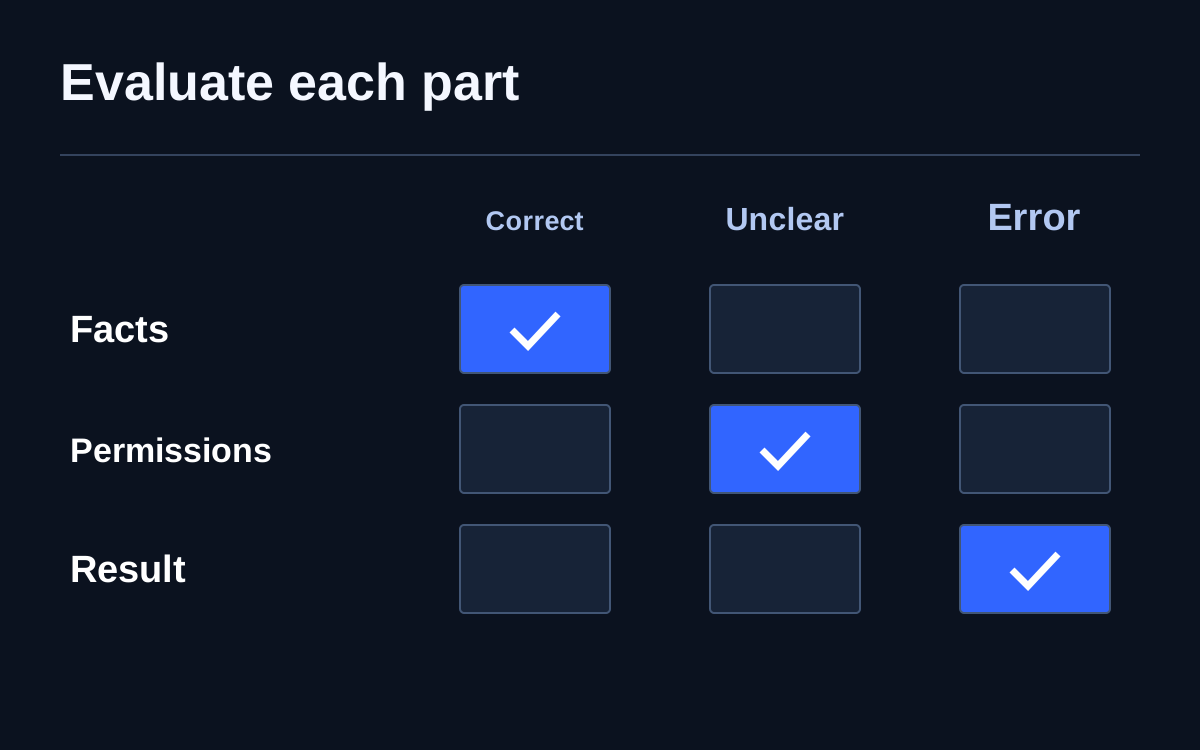
Preparing a proposal and sending it are different permissions. An incorrect draft can be fixed within the team; sending it affects the customer relationship. Describe reading data, drafting and external action separately in the pilot. Permission for one stage should not automatically permit the others. This makes responsibility clear to employees and developers.
Define behaviour when information conflicts. If catalogue and contract prices differ, the system should show the discrepancy and stop the relevant step. Silently choosing a convenient value makes demonstrations faster but real work harder. Records should show which data was used, who checked the document and which version reached the recipient. That is more useful than an abstract claim that AI succeeded.
Running a meaningful pilot
First collect ordinary, difficult and unresolvable requests from one process, removing unnecessary personal information. Record baseline completion times and reasons for rework. Then give the same flow to the new process. Count employee time separately: preparing context, reviewing, correcting and recovering from failures. Generation savings can disappear at any of these stages.